You're probably feeling a familiar squeeze. Large competitors can outspend you on ads, flood social feeds, and dominate broad search terms, while you still need to drive calls, visits, booked appointments, and repeat customers this month.
That doesn't mean you're at a disadvantage. It means you need to use the one edge national brands can't fake: local relevance. You know the neighborhoods you serve, the buying habits in your area, the seasonal shifts, and the community relationships that influence real purchase decisions. When local marketing tactics are built around that knowledge, they stop being random activities and start becoming a repeatable growth system.
The urgency is real. A 2024 Google and Deloitte study summarized by Rio SEO found that 76% of consumers who search for a local business on their smartphone visit a physical store within 24 hours, and 28% of those local searches lead to a direct purchase. Local intent is immediate. If your business information is wrong, your reviews are stale, or your follow-up is slow, the opportunity disappears fast.
The good news is that you don't need ten disconnected campaigns running at once. You need a handful of smart local marketing tactics executed consistently, measured properly, and tied together. That's where a unified platform like Stamina becomes useful. It gives SMBs one place to manage data, automate follow-up, track leads, and connect marketing with sales and CRM activity instead of juggling separate tools.
1. Local Google Business Profile Optimization
Your Google Business Profile is the first impression many local buyers get. Before they visit your site, they check your hours, reviews, photos, directions, and whether you look active. If that profile is incomplete or inconsistent, you lose trust before the conversation starts.
Here's the profile image buyers expect to see reflected in your listing quality:
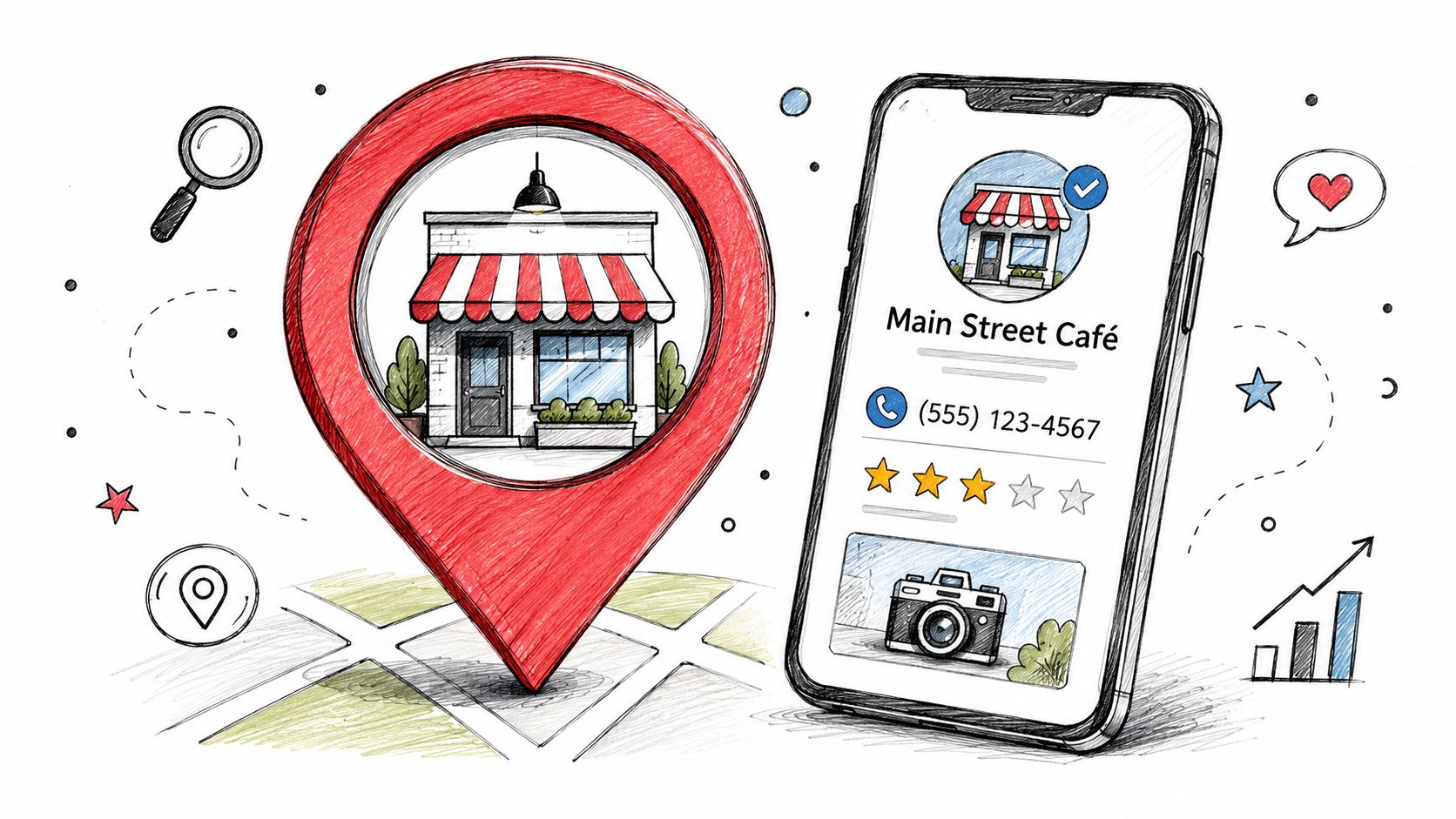
Claim the profile, verify it, and treat it like a living sales asset. Keep your business name, address, phone number, service areas, business categories, and hours accurate at all times. Add recent photos that show an authentic experience, not generic stock shots. A dentist should show the office and team. A contractor should show jobs in progress and finished work. A fitness studio should show classes, not empty rooms.
What actually moves the needle
Most businesses stop after setup. That's a mistake. Google Business Profile performance improves when you keep feeding it fresh, useful signals.
Keep hours current: Update holiday hours, seasonal schedules, and special closures immediately.
Use recent visuals: Add photos from current jobs, staff, inventory, or events so your listing doesn't look abandoned.
Answer questions fast: Monitor the Q&A section and respond before a competitor shapes the answer for you.
Request reviews at the right moment: Ask right after a successful purchase, visit, or completed service.
Stamina helps by giving your team a single source of truth for business details and customer follow-up. That matters because local marketing tactics break down when your hours are right on Google, wrong on Facebook, and outdated in your CRM.
Practical rule: If a customer can't tell whether you're open, where you're located, or what to expect, your profile isn't optimized.
A simple posting rhythm also helps. Use Google Posts for offers, event announcements, service reminders, or new arrivals. Short, local, specific updates work better than vague branding messages.
If you want a quick visual walkthrough of profile basics, this video is useful:
2. Hyper-Local Content Marketing and Local SEO
A lot of local SEO advice is outdated because it treats every business the same. That's especially risky for service-area businesses. If you're a plumber, consultant, agency, roofer, or mobile provider, a thin page that swaps out city names won't carry much weight on its own.
What's working now is geo-specific content that proves relevance. The underserved point many businesses miss is that local rankings for service businesses are often driven by geo-content relevance, not just directory listings and keyword placement. Verified data in your brief states that BrightEdge Research found 72% of local rankings for service businesses are driven by geo-content relevance. That's why neighborhood pages, local issue explainers, event-based content, and area-specific service examples matter more than generic copy.
What to publish instead of duplicate city pages
Use content that answers local questions a buyer would search.
Neighborhood service pages: Write distinct pages for each area you serve, with real details about common customer needs there.
Local issue articles: A pest control company can publish seasonal pest patterns by neighborhood. A law firm can explain local permit or zoning issues in plain English.
Community guides: Roundups, local resource pages, and practical explainers build relevance and earn links naturally.
Case-based content: Show how your service applies in a specific town, district, or business corridor.
This matters even more if you don't have a storefront. Search engines increasingly reward content that answers local intent instead of repeating generic keywords. If you need a practical starting point for turning that traffic into prospects, Stamina's guide to local lead generation for growing businesses is worth reading.
Use location-based schema, unique title tags, and strong internal linking, but don't mistake technical cleanup for the whole strategy. Technical SEO helps good local content perform. It doesn't replace it.
3. Strategic Local Partnerships and Co-Marketing
Partnerships are one of the fastest ways to borrow trust in a local market. When a customer already trusts one business, a recommendation from that business shortens the sales cycle for the next one.
The key is fit, not scale. A web design firm can partner with a marketing consultant. A CPA can partner with a financial advisor. A gym can partner with a physical therapist and a nutrition coach. A bookstore can co-host events with a local café. The audience overlap matters more than the partner's size.
Where partnerships usually fail
Most co-marketing efforts fall apart because nobody defines the offer, the handoff, or the follow-up. “Let's promote each other” sounds good, but it's too vague to produce results.
Set up a simple operating model:
Define the shared audience: Be clear about who the partner serves and where your customer profiles overlap.
Create one clear offer: Bundle something practical, such as a workshop, consultation, package, or co-branded resource.
Assign next steps: Decide who collects leads, who follows up, and who owns conversion.
Track source data: Tag every lead so you can see whether the partnership is producing pipeline or just activity.

Stamina is useful here because partnerships create fragmented lead data fast. One partner uses email, another uses a form, someone else sends spreadsheets. If you pull those contacts into one CRM and automate shared follow-up, you avoid the usual mess.
Good partnerships don't just expand reach. They make your offer feel safer to buy.
Start small. Run one co-branded webinar, one in-person event, or one referral pilot first. You'll learn quickly whether the audience match is real.
4. Community Events and Local Sponsorships
Digital channels are efficient, but they don't replace face-to-face trust. Community events and sponsorships still work because they put your business in a real setting where buyers can meet your team, ask questions, and connect your name to something useful or positive.
This can be formal or simple. Sponsor a youth sports team if your customers are families. Host a lunch-and-learn if you sell B2B services. Join a local fair, chamber event, trade meetup, charity run, or school fundraiser if that's where your audience already gathers.
How to avoid wasting an event budget
A lot of event spend gets burned on logo placement with no capture plan. Visibility alone isn't enough. You need a way to turn attention into identifiable leads and conversations.
Use QR codes with intent: Link to one focused landing page, not your homepage.
Capture contact details on-site: Business cards are weak data. Get email, phone, and interest area while the conversation is fresh.
Note context immediately: Record what the person asked about, what product they wanted, or when they planned to buy.
Follow up fast: Send a message while they still remember the interaction.
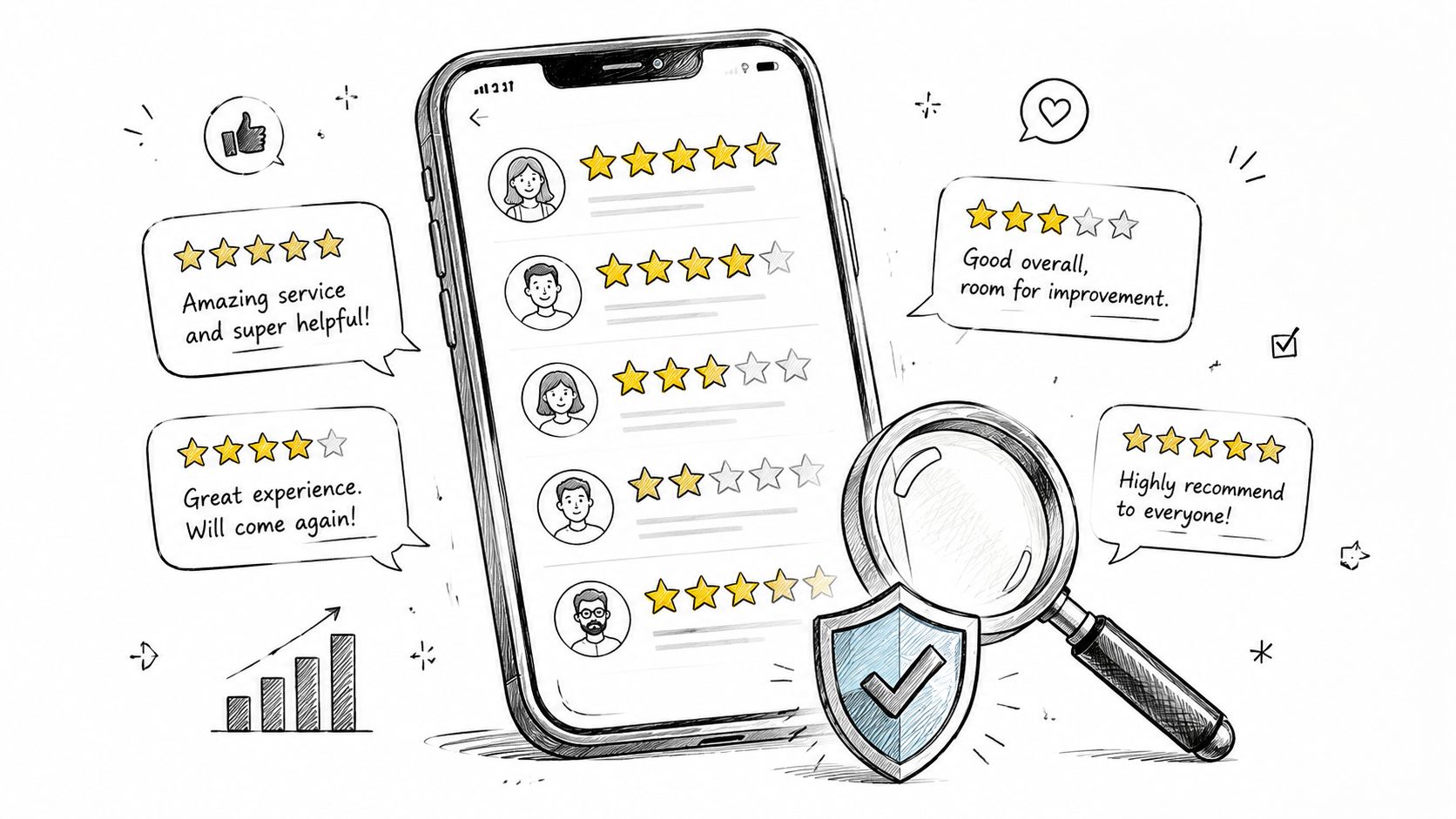
The strongest event programs connect offline activity to automation. If someone scans a code at your booth, that contact should enter a tagged workflow. If someone asks about a service package, sales should see that note in the CRM. Stamina makes that handoff easier because marketing capture, nurture, and pipeline tracking live in one place.
Local marketing tactics work best when online and offline reinforce each other. Events prove you're present. Follow-up proves you're organized.
5. Localized Paid Advertising
Localized paid ads are useful when you need speed. Organic visibility takes time. Paid search and geo-targeted social ads let you show up immediately in the places you serve.
This works well for urgent-intent businesses like home services, healthcare, legal, and food, but it also works for B2B firms targeting decision-makers in specific cities or business districts. The mistake is running one generic campaign across every location and sending traffic to one generic page.
Build campaigns around place, not just product
Local paid ads perform better when the ad and landing page reflect the location, service area, and customer context. Someone searching in one suburb often has different expectations than someone searching downtown.
Use these principles:
Write location-specific copy: Mention the city, neighborhood, or service area naturally.
Match landing pages to ads: Don't send every click to a broad homepage.
Use radius targeting carefully: Tight radiuses can reduce waste, but they can also miss nearby demand if set too narrowly.
Filter bad traffic: Negative keywords and service-area exclusions matter.
The broader pattern supports this local focus. A 2023 Socimi Institute figure summarized by Artisan found that 80% of US consumers search for local businesses weekly, while only 7% of non-local searches result in a sale. That gap is why local paid ads often outperform broad campaigns when the goal is actual customers, not just impressions.
National-style campaigns buy attention. Local paid campaigns buy relevance.
If you're using Stamina, connect paid lead forms and landing pages directly into automated nurture sequences. That's especially helpful when leads come in after hours and still need an immediate response.
6. Local Email Marketing and Community Newsletters
Email is still one of the most reliable local channels because you own the audience. Algorithms don't control whether your newsletter reaches subscribers. If people gave you their email, you have direct access to them.
The best local newsletters don't read like ad circulars. They feel like a useful update from a business that understands the area. A salon can share local event styling tips, service reminders, and team updates. A real estate agent can send neighborhood snapshots, open house invites, and market commentary. A B2B firm can spotlight local business trends and upcoming events.
What to send people besides promotions
If every email asks for a sale, subscribers tune out. Use a mix that keeps your business relevant between buying moments.
Local updates: Community events, neighborhood news, or seasonal reminders tied to your service.
Customer spotlights: Feature loyal customers, partner businesses, or staff members.
Practical advice: Short tips tied to the local environment or common local questions.
Occasional offers: Promotions work better when they're part of a broader communication rhythm.
Segmentation matters. Separate subscribers by location, customer type, or past engagement so your downtown audience doesn't get suburban messaging that feels off. If you want a more tactical breakdown, Stamina's guide on mastering email marketing for lead generation covers strong email fundamentals.
A unified platform helps here because newsletter engagement shouldn't stay trapped in your email tool. When someone clicks a service offer, visits a page, or replies with interest, sales should see it. That's where Stamina becomes more than a sender. It becomes the operating system for follow-up.
7. Local Review Management and Reputation Marketing
Reviews influence both discovery and conversion. Buyers use them to decide whether you're trustworthy, responsive, and worth contacting. That makes review management one of the most practical local marketing tactics you can run.
Many businesses treat reviews as passive. They wait, hope, and occasionally react. Strong operators build a repeatable request and response process instead. They ask at the right time, make the review path simple, and use feedback to improve service.
Turn reviews into a system
The easiest wins come from timing and consistency.
Ask right after a positive interaction: Completed service calls, successful appointments, and happy purchases are the best moments.
Reduce friction: Use QR codes, short links, or automated email and text requests.
Respond to every review: Thank positive reviewers and handle negative reviews calmly, with a clear next step.
Reuse review language: Pull strong themes into landing pages, sales conversations, and staff training.
The operational side matters more than many owners realize. Your brief includes a 2025 Gartner finding that 68% of SMBs can't attribute revenue to specific local channels because of data silos. Reviews are part of that problem. If requests happen in one tool, responses in another, and lead outcomes in a separate CRM, you can't tell whether reputation efforts are driving actual revenue.
That's where automation helps. Stamina's article on marketing automation for small business is useful if you want to build post-purchase or post-service review workflows without creating more manual work.
If your team delivers good service but asks for reviews inconsistently, the market never sees your real quality.
8. Local Social Media Community Building and Engagement
Most local businesses use social media like a bulletin board. They post offers, announce updates, and disappear. That approach rarely builds much loyalty.
Community-led social media works better. Instead of treating Facebook, Instagram, or LinkedIn as distribution channels only, use them as places to create conversation. A real estate team can run a neighborhood Facebook Group. A consultant can host a LinkedIn community for local operators. A bakery can use Instagram Stories to feature regulars, partner shops, and local events.
What good local engagement looks like
The content itself doesn't need to be polished. It needs to feel local and human.
Feature real people: Customers, staff, business neighbors, and community groups.
Start useful conversations: Ask about local issues, preferences, and upcoming events.
Share behind-the-scenes moments: Preparation, setup, deliveries, renovations, and team routines build familiarity.
Use local proof: Tag locations, highlight partner businesses, and repost community content when appropriate.
Don't overdo the selling. Social communities weaken when every post pushes an offer. Use social to earn attention and trust, then move interested people into owned channels like email, events, or direct inquiry forms.
Stamina can support this by capturing inbound interest from social channels and routing it into segmented follow-up. That way, a comment thread, direct message, or event RSVP doesn't die inside a platform inbox.
9. Direct Mail and Localized Postcards with Digital Integration
Direct mail still works locally because the channel is less crowded than inboxes and social feeds. A postcard, letter, or dimensional mailer can stand out, especially when it's geographically targeted and tied to a digital next step.
This is useful for home services, real estate, healthcare, insurance, local retail, and B2B account-based outreach. It's less useful when the message is generic. “We serve your area” isn't enough. The piece needs a reason to matter now.
Make physical mail measurable
The old criticism of direct mail is that it's hard to track. That's true only if you treat it as offline-only.
Use a tracked landing page, a dedicated QR code, a unique offer code, or a distinct phone number tied to the campaign. Then connect the response to your CRM so you can see what happened after the scan or call.
Your brief points to another important operational trend: hyper-local AI attribution is becoming more relevant because SMBs struggle to isolate local campaign impact from seasonal shifts and national brand activity. That's a strong reason to avoid running mail as a standalone tactic. Integrate it with email, retargeting, and sales follow-up so you can compare response patterns across channels.
Good direct mail is specific. A local roofer can mail storm-season inspection reminders by neighborhood. A real estate agent can send a market snapshot specific to one subdivision. A B2B firm can mail a concise, personalized offer to a defined list of local accounts.
10. Referral Programs and Incentivized Word-of-Mouth Marketing
Word-of-mouth is powerful, but it's often handled too casually. Owners assume happy customers will naturally refer others. Some will. Most need a prompt, a process, and a reason to act now.
A structured referral program makes that happen. It gives customers a clear way to recommend you and removes friction from the handoff. This works especially well for service businesses, agencies, professional firms, fitness studios, and subscription businesses where trust already plays a big role in the buying decision.
Design a referral program people actually use
Simple beats clever. If the customer has to read a full policy document to understand the reward, the program is too complicated.
Use a dual-sided incentive: Reward the referrer and give the new customer a benefit too.
Make sharing easy: One referral link, one short form, or one direct introduction path.
Track referral sources inside your CRM: If you can't see who referred whom, you can't improve the program.
Recognize repeat advocates: Your best referrers often deserve special treatment, not just the standard reward.
For practical inspiration on structure, this guide to boosting word-of-mouth for Square shows how referral mechanics can be designed to encourage participation without adding unnecessary friction. To manage referred leads properly, use a CRM that keeps source tracking visible. Stamina's overview of the best CRM for small business is a good place to start.
The strongest referral programs don't sit in isolation. They show up in email signatures, post-purchase follow-ups, customer onboarding, and review request sequences. That's how referrals stop being accidental and start becoming a dependable acquisition channel.
10-Point Local Marketing Tactics Comparison
Tactic | Implementation Complexity | Resource Requirements | Expected Outcomes | Ideal Use Cases | Key Advantages |
|---|---|---|---|---|---|
Local Google Business Profile Optimization | Low–Medium: simple setup, ongoing upkeep | Time for verification, photos, review responses; minimal budget | Improved local visibility and local-pack rankings, more calls/visits | Brick-and-mortar SMBs, service-area businesses | High ROI, free to use, builds trust via reviews and photos |
Hyper-Local Content Marketing & Local SEO | Medium–High: consistent strategy and production | Content creators, SEO research, link-building effort | Sustainable organic traffic, higher conversion on local intent | Multi-location businesses, niche local services | Long-term traffic, local authority, lower national competition |
Strategic Local Partnerships & Co‑Marketing | Medium: partner sourcing and coordination | Partner outreach, shared assets, legal/operational alignment | Expanded reach, shared leads, reduced marketing cost | Agencies, consultants, complementary local businesses | Cost-sharing, credibility via association, access to new audiences |
Community Events & Local Sponsorships | High: event planning and logistics | Budget for space/materials, trained staff, time | High-quality in-person leads, strong brand visibility | Local brands, B2B networking, experiential campaigns | Face-to-face trust-building, memorable experiences, UGC |
Localized Paid Advertising (Local PPC & Geo‑Targeted Ads) | Medium–High: platform expertise and optimization | Ad spend, campaign management, A/B testing resources | Immediate visibility, measurable conversions, traffic spikes | Time-sensitive promos, new locations, competitive markets | Fast results, precise geo-targeting, flexible budgets |
Local Email Marketing & Community Newsletters | Medium: list building and content cadence | Email platform, content creation, segmentation effort | Strong engagement, repeat business, owned audience | Retail, service businesses, community-focused brands | High ROI, personalized outreach, reliable channel unaffected by algorithms |
Local Review Management & Reputation Marketing | Low–Medium: processes and timely responses | Monitoring tools, staff time, automation for requests | Increased trust, better local rankings, improved conversion rates | High-trust industries (health, home services), SMBs | Boosts SEO and CTR, provides social proof, relatively low cost |
Local Social Media Community Building & Engagement | Medium–High: continuous moderation and content | Community managers, content creators, time investment | Loyal advocates, organic referrals, user-generated content | Lifestyle brands, local services, agencies building thought leadership | Cost-effective organic reach, stronger retention, UGC generation |
Direct Mail & Localized Postcards with Digital Integration | Medium: design, printing, and logistics | Printing/postage budget, targeted lists, landing pages/QR codes | Tangible impressions, offline-to-online responses, local awareness | Real estate, targeted B2B, less-digital demographic outreach | Stands out from digital clutter, high open rates, effective for targeting |
Referral Programs & Incentivized Word‑of‑Mouth Marketing | Medium: program design and automation | Rewards budget, tracking systems, CRM integration | Low CAC, higher LTV customers, sustainable acquisition channel | SaaS, fitness studios, professional services with loyal customers | Highest conversion rates, low acquisition cost, leverages customer trust |
Connect Your Tactics Into a Growth Engine
The biggest mistake SMBs make with local marketing tactics is treating them like isolated jobs. Someone updates Google. Someone else runs a few ads. A newsletter goes out when there's time. Reviews get answered eventually. Nothing is technically wrong, but nothing compounds either.
The better approach is to connect tactics around customer intent and follow-up. A prospect finds your Google Business Profile, clicks to a location page, fills out a form, gets a fast response, visits an event, joins your newsletter, leaves a review, and later refers a friend. That's not a random sequence. That's a local growth engine.
The businesses that win locally usually do three things well. First, they maintain accurate public information everywhere buyers look. Second, they create locally relevant content and offers instead of generic messaging copied across locations. Third, they capture and route every signal into one system so they can follow up consistently and measure what's producing revenue.
Measurement is where many local programs break down. Your brief highlights that many SMBs still struggle to attribute revenue to specific local channels because data is fragmented. That's why the next step after choosing tactics isn't “do more.” It's “connect what you already do.” If your ads, forms, reviews, event leads, emails, and sales activity live in separate tools, you'll keep guessing. If they flow into one platform, patterns become visible.
Start with two tactics, not ten. For most businesses, Google Business Profile optimization and a local newsletter are strong first moves. If your market is competitive or time-sensitive, pair those with localized paid ads. If trust is your bottleneck, add review management or partnerships. If repeat business matters most, build referrals and email nurture first.
Stamina fits this model because it isn't just another point solution. It gives SMBs one connected layer for marketing, sales engagement, automation, and CRM. You can capture local leads, trigger follow-up, segment audiences, track source data, and keep customer context visible across the team. That matters because local growth doesn't come from one clever tactic. It comes from executing the basics well, then linking them together so each tactic strengthens the next.
Done right, local marketing tactics help you compete on something bigger than budget. They help you become the business people nearby recognize, trust, and choose first.
If you're tired of juggling separate tools for local ads, email, lead follow-up, and CRM, Stamina gives you one system to run the whole playbook. Use it to organize local marketing tactics, automate nurture, track attribution, and turn scattered activity into a connected revenue engine.

