Appointment Setting for B2B: A Playbook for SMB Growth

Master appointment setting for B2B with our step-by-step playbook. Learn to identify targets, launch AI-driven outreach, and measure ROI for real SMB growth.

0 - Minute Read

Your team is probably doing more work than your pipeline suggests. Marketing runs campaigns in one tool. SDRs work from spreadsheets and inboxes. Reps log notes late, if they log them at all. Website intent, outbound activity, and CRM history live in separate places, so every follow-up starts with guesswork.

That setup creates a familiar problem. You book some meetings, miss others, argue about lead quality, and still can't say which outreach turns into revenue. For SMBs, appointment setting for b2b stops being a capacity problem and becomes a systems problem.

The fix isn't more activity. It's a connected process that identifies the right accounts, reaches them with context, qualifies them hard, and carries meeting data all the way into pipeline and closed-won analysis. That's how appointment setting becomes a revenue engine instead of a calendar-filling exercise.

The Modern Challenge of B2B Appointment Setting

A lot of SMB sales motions still run like patched-together workflows. One rep exports a list. Another writes emails from a template doc. Calls happen from a separate dialer. Replies get buried in personal inboxes. By the time a meeting is booked, nobody has a clean record of what message worked, what pain point landed, or whether the account was a fit in the first place.
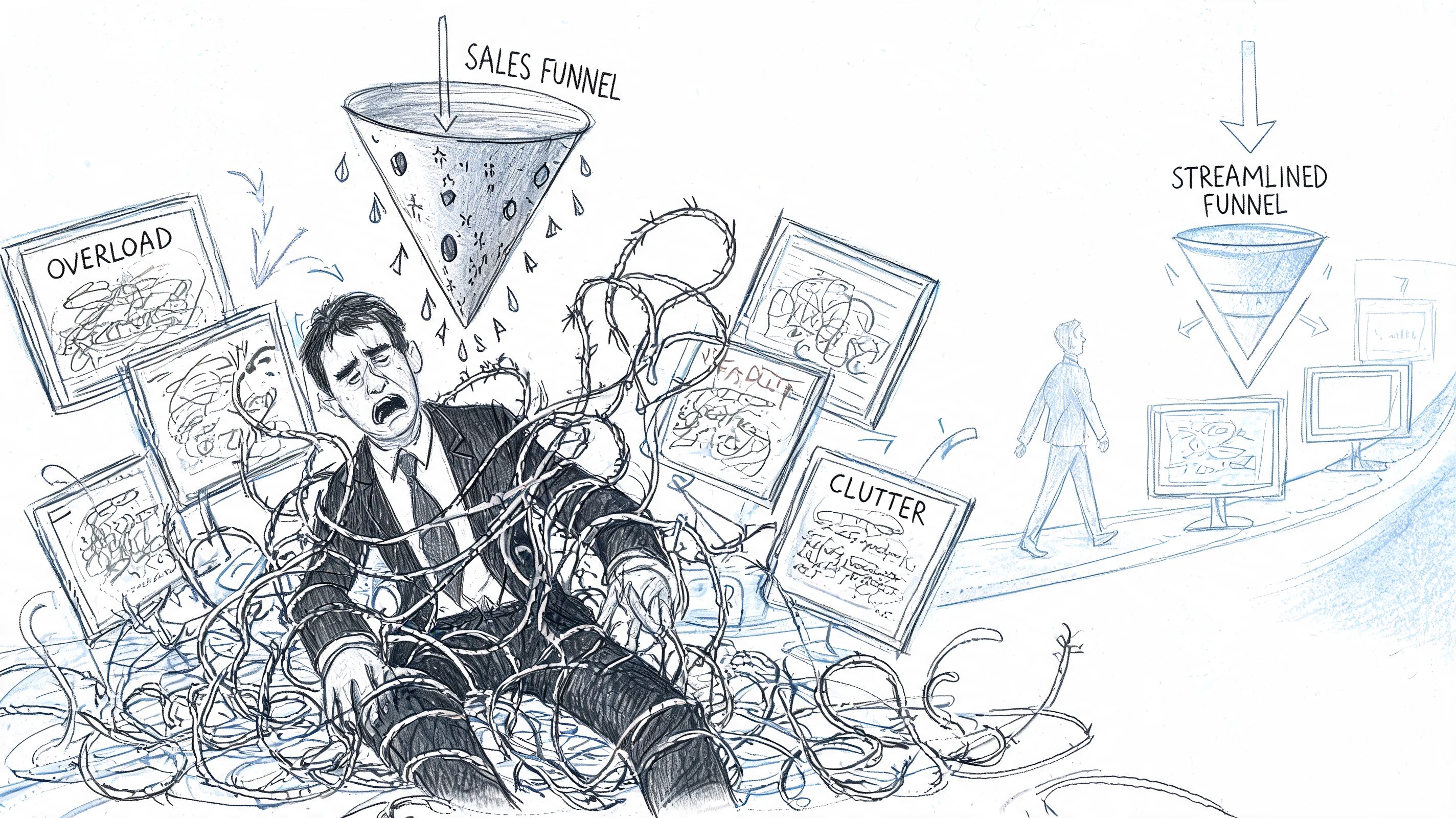
A man overwhelmed by complex sales funnels while a colleague walks past a streamlined business funnel.

That approach is outdated. Appointment setting has matured from a basic prospecting task into a strategic operating function. The discipline itself has evolved significantly, and companies that work with professional outbound agencies report 40–60% faster pipeline growth, while the average cost per qualified B2B appointment in 2025 ranges from $550 to $1,700, according to B2B Marketing's history of appointment setting companies.

Why the old playbook breaks

Small teams usually hit the same wall for three reasons:

  • Data is fragmented: CRM records don't match outreach history, so reps can't personalize without extra research.

  • Qualification is inconsistent: One SDR books anything that replies. Another filters too hard. Leadership gets noise instead of signal.

  • Handoffs are weak: The AE walks into the demo cold, asks questions the SDR already covered, and loses credibility.

The result is a leaky funnel disguised as hustle.

Practical rule: If your SDR team and your CRM disagree about what happened before the meeting, your appointment setting process isn't under control.

What modern appointment setting actually looks like

In mature teams, appointment setting sits between marketing intent and sales conversion. It isn't just "book meetings." It's list design, sequencing, timing, qualification, routing, and measurement.

In larger organizations, those responsibilities are split across SDRs, BDRs, and inside sales. SMBs don't always have that luxury, which is why a unified system matters more for them. When one platform holds account data, outreach history, intent signals, meeting status, and pipeline progression, smaller teams can operate with the discipline of a much larger org.

That shift matters because buyers don't reward volume anymore. They respond to relevance, timing, and clarity. The teams that win aren't the ones doing the most touches. They're the ones running the cleanest system.

Building Your Foundation for Targeted Outreach

Most appointment setting problems start before the first email goes out. Teams blame messaging when the core issue is targeting. If your list includes companies that will never buy, no sequence will save you.

The foundation is a usable ideal customer profile, not a slide with broad firmographics. A real ICP helps a rep decide, fast, whether an account belongs in outbound, nurture, or nowhere at all.

Build your ICP from revenue, not assumptions

Start with closed-won customers and active opportunities that moved cleanly through the funnel. Look for patterns your team can act on in daily prospecting.

Use these filters:

  • Company shape: Industry, employee range, geography, and business model.

  • Operational clues: Tech stack, hiring patterns, team structure, and how the company appears to run sales or service.

  • Pain trigger: What changed right before they bought. New market push, messy handoffs, weak outbound performance, poor reporting, or tool sprawl.

  • Buying path: Which roles joined the process early, who cared about implementation, and who pushed for urgency.

A weak ICP says, "We sell to B2B companies." A useful ICP says, "We sell to multi-rep SMB teams that already have demand but can't connect outbound, CRM, and reporting."

Turn your CRM into a targeting system

A lot of teams use the CRM as storage. That's not enough. Your CRM should help you segment by fit, recency, and signal so reps don't work static lists that go stale in a week.

Set up views that separate accounts by clear conditions:

  1. Best-fit accounts with no recent activity

  2. Warm accounts with site visits or inbound engagement

  3. Past opportunities worth re-opening

  4. Current customers with expansion potential

  5. Low-fit names that should stay out of SDR sequences

That structure changes rep behavior. Instead of asking, "Who should I contact today?" they start from "Which high-fit segment has the strongest reason for outreach?"

Good outbound starts with exclusion. The fastest way to improve appointment quality is to stop contacting accounts that were never plausible buyers.

Don't buy your way into bad targeting

Purchased lists can help with coverage, but they usually create false confidence. You get volume, not precision. Reps feel busy because they have names to work, but reply quality drops and qualification gets fuzzy.

A better approach is to enrich around your ICP and use writing discipline so every segment has its own message. If your team needs to sharpen that part, this guide to email copywriting that actually gets replies is useful because it forces you to connect message structure to audience intent.

The key is simple. Build lists that resemble customers you want more of. Then segment tightly enough that your outreach sounds like it came from someone who understands the account, not someone who scraped a database.

Designing Your AI-Powered Outreach Engine

Once targeting is clean, the next mistake teams make is building a sequence that asks for a meeting too early and too often. Prospects don't need more generic follow-ups. They need a reason to engage.

A working outreach engine mixes channels, uses timing intelligently, and personalizes without forcing every SDR to research from scratch on every account.
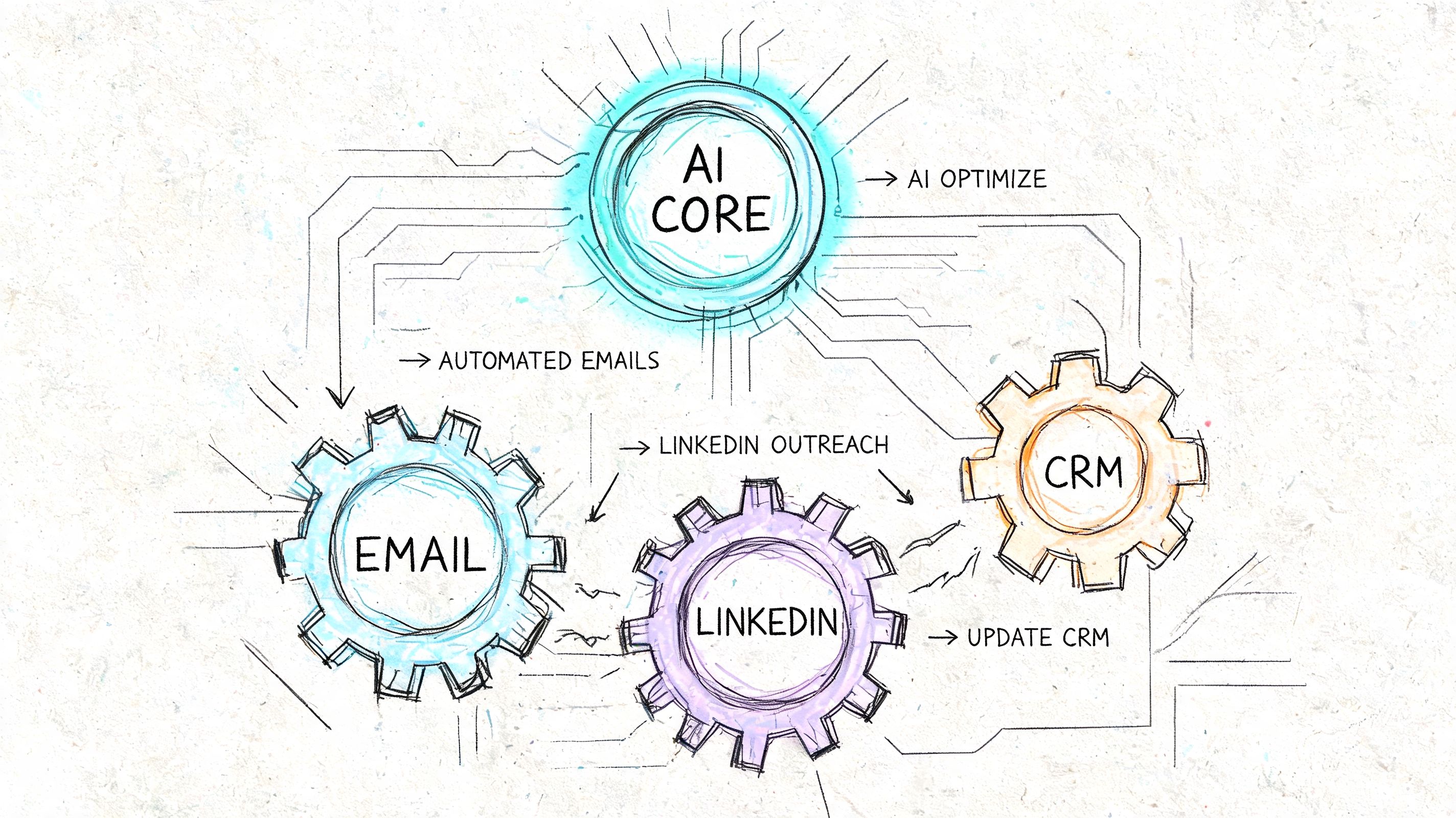
A digital illustration showing an AI core connected to email, LinkedIn, and CRM automated business systems.

What AI changes and what it doesn't

AI is now part of the sales workflow, not an experiment. As of 2026, 75% of sales teams use AI for lead scoring and sequencing, organizations using AI assistance see 32% higher meeting acceptance rates, and personalized outreach drives 6× higher transaction rates, according to Martal's appointment setting benchmarks.

That doesn't mean AI replaces SDR judgment. It means reps should stop spending their best hours on repetitive research, first-draft writing, and sequence admin.

Use AI for:

  • Research compression: Summarize the account, role, likely pain points, and recent signals.

  • Message variation: Produce multiple opening angles for the same segment so reps can test without rewriting from zero.

  • Sequencing logic: Adjust next steps based on opens, replies, site activity, or call outcomes.

  • Lead prioritization: Move warm accounts up the queue and de-prioritize poor-fit names.

Keep humans responsible for qualification, objection handling, and final call judgment.

Build the sequence around intent

The best appointment setting for b2b sequences don't feel like a robot asking the same question six times. Each touch should do one job.

A practical multi-channel structure looks like this:

  1. Email one introduces the problem
    Keep it narrow. Name the operational issue, not your product category.

  2. LinkedIn touch builds familiarity
    Don't pitch in the connection request. Give the prospect another surface where your name becomes recognizable.

  3. Call attempts test timing and seriousness
    Calls work best when the rep already has a reason for reaching out and can reference it cleanly.

  4. Follow-up email adds context
    Share a short observation, not a brochure. Confirm that you understand their environment.

  5. Signal-based outreach changes the message
    If the account visits your pricing page, engages socially, or reopens an old thread, don't keep sending the same sequence.

One source worth reviewing here is Trupeer Inc. on AI avatar messages. Not because every team needs avatar outreach, but because it shows how personalized media can support account-based messaging when a text email isn't enough to earn attention.

Use one system to coordinate the motion

Unified platforms matter. If email, dialing, signals, and CRM notes live in different tools, reps miss context and duplicate work. A connected setup lets the team trigger outreach based on actual account behavior and log the full thread automatically.

For example, a platform like Stamina's AI sales assistant system can combine CRM data, prospect research, email generation, sequence management, and warm prospecting signals so an SDR sees the account history before writing or calling. That matters because it turns personalization from a manual exception into a repeatable process.

Here is the operational difference:

  • Disconnected stack: Rep sees a name, searches LinkedIn, checks CRM, writes an email, forgets to log the call, and misses a website revisit the next day.

  • Unified stack: Rep opens one account record, sees prior touches, current signal activity, suggested copy angles, and the next recommended action.

That doesn't just save time. It improves message quality because the system preserves context.

Personalization at scale doesn't come from writing longer emails. It comes from giving the rep better context before the first sentence.

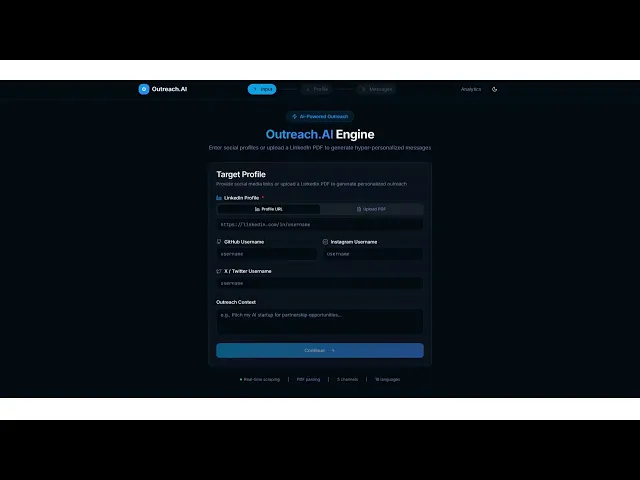
A short walkthrough helps when teams are designing this motion in practice:

Sequence design mistakes that quietly kill results

A few patterns show up in underperforming teams over and over:

  • Every message asks for time: Prospects haven't earned enough context yet.

  • Every channel says the same thing: Repetition without progression feels automated.

  • No trigger logic exists: A website visit, reply, or call connect should change the next step.

  • The SDR sends perfect-looking copy to the wrong segment: Good writing can't fix bad targeting.

The best engine is simple enough to run every day and smart enough to adapt when the buyer gives you a signal. That's what makes it scalable.

Mastering the Conversation and Handling Objections

When a prospect finally responds, many SDRs waste the moment by switching into pitch mode. That usually kills the conversation. The job isn't to win an argument. It's to find out whether this account deserves a meeting on an AE's calendar.

The strongest setters are disciplined here. Top-quartile performers book 18 to 25 meetings per week, maintain a 65% to 80% show rate, and reach a 40% to 55% qualification rate on shown meetings, according to Superhuman Prospecting's strategic guide to B2B appointment setting. That performance comes from qualification rigor, not from squeezing a meeting out of every reply.

Run the call like a diagnosis

A good opening doesn't sound impressive. It sounds controlled.

Try a structure like this:

  • Start with context: Mention why you reached out and what made the account relevant.

  • Ask for correction: "I may be off, but it looked like your team is dealing with..."

  • Test urgency: "Is that something you're actively trying to improve, or not a priority right now?"

  • Check ownership: "Who usually drives that internally?"

  • Define next step: Only offer a meeting if there's a clear business reason.

That approach lowers pressure. It also gives the prospect room to tell the truth, which is what you need.

Use a simple qualification frame

You don't need a complicated acronym. You need a few checks that protect AE time.

I like a modified BANT-style screen built around four questions:

  1. Business problem
    Is there a real issue, or just mild curiosity?

  2. Authority path
    Is this person involved in the decision, or can they bring the right stakeholder in?

  3. Near-term relevance
    Is there a timeline attached to the problem?

  4. Need for change Does the current process hurt enough to justify a conversation?

If two or more of those are weak, don't force the meeting. Put the account into nurture or a later sequence.

The fastest way to ruin appointment quality is to treat polite replies as buying intent.

Common B2B Appointment Setting Objections and Responses

Objection

Underlying Meaning

Empathetic Response Framework

I'm not interested

They don't see a relevant problem yet

Acknowledge it, lower pressure, and test fit. "Understood. Usually when I hear that, it means this isn't a priority or it isn't a fit. Which is closer for you?"

Send me an email

They want to control the pace or end the call

Agree, then earn a better follow-up. "Happy to. So I send something useful, what's the main angle I should focus on?"

We already have a solution

They're protecting status quo

Respect the existing tool or process, then probe for gaps. "Makes sense. Most teams already have something in place. What do you wish worked better in that setup?"

We're too busy right now

Timing is bad or the value isn't clear

Tie the meeting to a concrete problem. "I get it. Is the issue itself urgent, even if evaluation isn't? If yes, we can keep this brief and focused."

Call me next quarter

They may mean no, or they may mean later

Clarify the reason. "No problem. What changes next quarter that would make the conversation more relevant?"

A live example of the difference

One SDR gets, "Just send me something." He replies, "Absolutely, I'd love to show you how we help companies like yours." That's a dead thread.

A stronger SDR says, "Happy to. Before I do, I want to make sure I send the right thing. Is the bigger issue lead quality, rep follow-up, or visibility into what outbound is producing?" Now the prospect has a simple choice. Any answer creates qualification data.

If your team needs cleaner role definition around who should own this stage, this breakdown of what an SDR does in sales is a useful operational reference.

Objection handling works when reps stop treating resistance as rejection. Most objections are just incomplete context.

The Seamless Handoff from Set Appointment to Demo

A booked meeting isn't a finished job. It's a fragile commitment. Teams lose a surprising amount of pipeline between the calendar invite and the live demo because nobody owns the handoff with the same discipline they used to get the meeting.

The SDR's final responsibility is to preserve intent. The AE's first responsibility is to inherit context. If either side misses, the prospect feels the reset immediately.

What the handoff should include

Every booked meeting should trigger a short internal brief in the CRM with:

  • Why the prospect agreed to meet

  • What pain point came up in the conversation

  • Which stakeholders are expected

  • Any objection already raised

  • What outcome the prospect expects from the call

That prevents the AE from reopening discovery at the wrong altitude. They can still ask questions, but they start informed.

The post-booking workflow that reduces drop-off

The handoff should also create an external follow-up sequence. Not a generic calendar invite. A real confirmation that reminds the buyer why they said yes.

A practical flow looks like this:

  1. Immediate confirmation with agenda, meeting link, and the business issue discussed.

  2. Reminder before the meeting that reinforces value, not just time.

  3. Easy reschedule option so a busy prospect doesn't disappear.

  4. Internal AE alert with SDR notes and account activity history.

The process between booking and attendance has real impact. DemandZEN notes that confirmation protocols and pre-meeting reminders can lift attendance from an industry average of 50–65% to 85% with professional management, in its guide to what B2B appointment setting looks like in practice.

A no-show often starts as a weak confirmation. Buyers forget meetings that don't remind them why the conversation matters.

When the handoff is structured, the demo feels like a continuation. When it isn't, the buyer has to re-explain their problem to a stranger. That loss of momentum is expensive.

Measuring What Matters and Optimizing for Revenue

Businesses often still report appointment setting with the wrong scoreboard. They celebrate meetings booked because it's easy to count. Then they wonder why revenue doesn't follow.

The primary job is to measure whether booked meetings become attended meetings, qualified opportunities, pipeline, and closed business. Without that chain, the team can't tell whether activity is efficient or just visible.
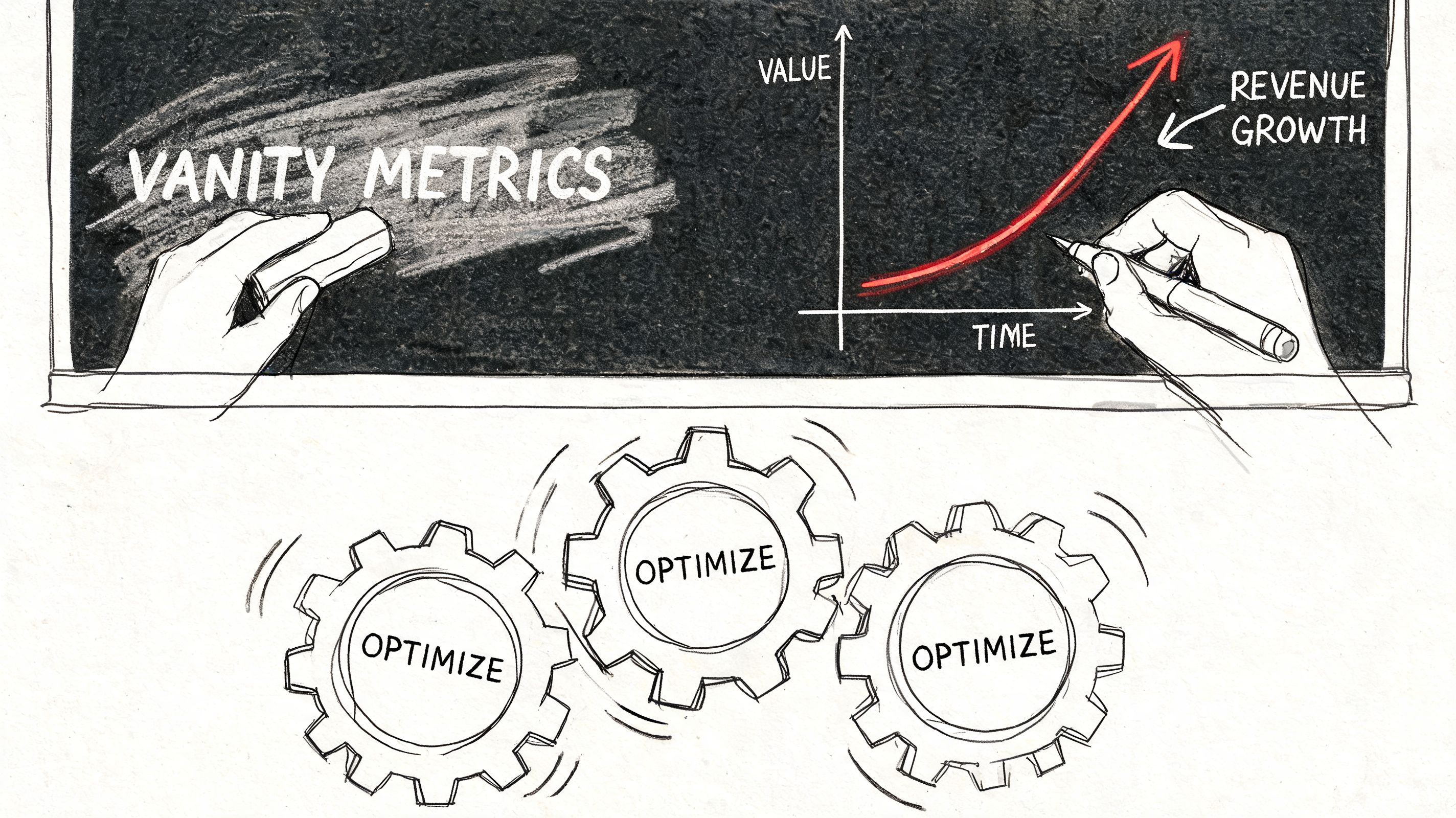
A hand erasing vanity metrics from a chalkboard while another hand draws a revenue growth chart.

Stop managing to booked meetings

A full calendar can hide bad economics. Low-fit accounts accept meetings. Weakly qualified prospects attend out of curiosity. Reps feel productive while the pipeline team complains about conversion.

A stronger operating view tracks:

  • Show rate: Did the buyer keep the commitment?

  • Qualification rate: Did the meeting become a real sales opportunity?

  • Pipeline generated: Did the conversation create measurable commercial value?

  • Cost per qualified meeting: Are you buying quality efficiently?

  • Revenue attribution: Which source and sequence created deals, not just demos?

A critical blind spot affects many teams. Research suggests 60–70% of appointment setters don't have visibility into whether booked meetings close, creating a feedback loop problem, according to Only B2B's write-up on appointment setting gaps.

Build attribution into the workflow

If attribution depends on manual note-taking, you'll never trust the output. The CRM needs to carry source and campaign data from first touch through opportunity creation and closed outcome.

That means every appointment should be tied to:

  • Original acquisition source

  • Sequence or campaign name

  • Rep owner

  • Qualification outcome

  • Opportunity status and revenue result

Once that data is connected, leaders can answer useful questions. Which segments create the highest-quality meetings? Which channels create pipeline fastest? Which SDRs book fewer meetings but better ones?

For teams refining this reporting layer, Call Loop's guide to ROI is a helpful reference because it frames campaign effectiveness around measurable business outcomes instead of surface-level engagement.

Use reporting to change behavior

Dashboards don't matter unless they alter execution. A connected reporting system should tell you what to change next week, not just what happened last month.

That usually means spotting patterns like:

  • High meeting volume, weak qualification: Fix targeting and call standards.

  • Good qualification, poor show rate: Improve confirmation and reminders.

  • Strong show rate, weak pipeline: Tighten AE handoff and discovery.

  • Good pipeline, poor close visibility: Clean up attribution and opportunity hygiene.

If your team doesn't have flexible reporting across outreach, CRM, and pipeline, it helps to understand what ad hoc reporting means in day-to-day revenue operations. Appointment setting only becomes predictable when leadership can inspect the motion without waiting on a custom analysis every time something slips.

The best appointment setting dashboard doesn't prove your team is busy. It shows which work creates revenue and which work should stop.

Building Your B2B Growth Engine

Predictable appointment setting for b2b doesn't come from one clever sequence or one strong SDR. It comes from a system that holds together under daily pressure.

The foundation is precise targeting. The engine is coordinated outreach with AI doing the repetitive work and humans doing the judgment. The conversation stage protects calendar quality through real qualification. The handoff keeps intent alive until the demo happens. Measurement closes the loop so leadership can improve revenue, not just activity.

For SMBs, this matters even more than it does for larger teams. You don't have extra headcount to hide inefficiency. Every bad list, weak handoff, and untracked meeting costs more because the team is smaller and the margin for waste is tighter.

The upside is that SMBs can move faster when they unify their stack. When marketing signals, outbound actions, CRM history, and pipeline outcomes live in one operating system, appointment setting stops being a scattered function and starts acting like a growth engine.

Build that engine once. Then keep tuning it. That's how you stop chasing meetings and start producing pipeline on purpose.

If you're trying to connect outreach, qualification, CRM visibility, and revenue attribution in one place, Stamina is worth a look. It combines sales engagement, CRM, marketing automation, and an AI SDR so SMB teams can run a more coordinated appointment setting motion without stitching together separate tools.

Your team is probably doing more work than your pipeline suggests. Marketing runs campaigns in one tool. SDRs work from spreadsheets and inboxes. Reps log notes late, if they log them at all. Website intent, outbound activity, and CRM history live in separate places, so every follow-up starts with guesswork.

That setup creates a familiar problem. You book some meetings, miss others, argue about lead quality, and still can't say which outreach turns into revenue. For SMBs, appointment setting for b2b stops being a capacity problem and becomes a systems problem.

The fix isn't more activity. It's a connected process that identifies the right accounts, reaches them with context, qualifies them hard, and carries meeting data all the way into pipeline and closed-won analysis. That's how appointment setting becomes a revenue engine instead of a calendar-filling exercise.

The Modern Challenge of B2B Appointment Setting

A lot of SMB sales motions still run like patched-together workflows. One rep exports a list. Another writes emails from a template doc. Calls happen from a separate dialer. Replies get buried in personal inboxes. By the time a meeting is booked, nobody has a clean record of what message worked, what pain point landed, or whether the account was a fit in the first place.

A man overwhelmed by complex sales funnels while a colleague walks past a streamlined business funnel.

That approach is outdated. Appointment setting has matured from a basic prospecting task into a strategic operating function. The discipline itself has evolved significantly, and companies that work with professional outbound agencies report 40–60% faster pipeline growth, while the average cost per qualified B2B appointment in 2025 ranges from $550 to $1,700, according to B2B Marketing's history of appointment setting companies.

Why the old playbook breaks

Small teams usually hit the same wall for three reasons:

  • Data is fragmented: CRM records don't match outreach history, so reps can't personalize without extra research.

  • Qualification is inconsistent: One SDR books anything that replies. Another filters too hard. Leadership gets noise instead of signal.

  • Handoffs are weak: The AE walks into the demo cold, asks questions the SDR already covered, and loses credibility.

The result is a leaky funnel disguised as hustle.

Practical rule: If your SDR team and your CRM disagree about what happened before the meeting, your appointment setting process isn't under control.

What modern appointment setting actually looks like

In mature teams, appointment setting sits between marketing intent and sales conversion. It isn't just "book meetings." It's list design, sequencing, timing, qualification, routing, and measurement.

In larger organizations, those responsibilities are split across SDRs, BDRs, and inside sales. SMBs don't always have that luxury, which is why a unified system matters more for them. When one platform holds account data, outreach history, intent signals, meeting status, and pipeline progression, smaller teams can operate with the discipline of a much larger org.

That shift matters because buyers don't reward volume anymore. They respond to relevance, timing, and clarity. The teams that win aren't the ones doing the most touches. They're the ones running the cleanest system.

Building Your Foundation for Targeted Outreach

Most appointment setting problems start before the first email goes out. Teams blame messaging when the core issue is targeting. If your list includes companies that will never buy, no sequence will save you.

The foundation is a usable ideal customer profile, not a slide with broad firmographics. A real ICP helps a rep decide, fast, whether an account belongs in outbound, nurture, or nowhere at all.

Build your ICP from revenue, not assumptions

Start with closed-won customers and active opportunities that moved cleanly through the funnel. Look for patterns your team can act on in daily prospecting.

Use these filters:

  • Company shape: Industry, employee range, geography, and business model.

  • Operational clues: Tech stack, hiring patterns, team structure, and how the company appears to run sales or service.

  • Pain trigger: What changed right before they bought. New market push, messy handoffs, weak outbound performance, poor reporting, or tool sprawl.

  • Buying path: Which roles joined the process early, who cared about implementation, and who pushed for urgency.

A weak ICP says, "We sell to B2B companies." A useful ICP says, "We sell to multi-rep SMB teams that already have demand but can't connect outbound, CRM, and reporting."

Turn your CRM into a targeting system

A lot of teams use the CRM as storage. That's not enough. Your CRM should help you segment by fit, recency, and signal so reps don't work static lists that go stale in a week.

Set up views that separate accounts by clear conditions:

  1. Best-fit accounts with no recent activity

  2. Warm accounts with site visits or inbound engagement

  3. Past opportunities worth re-opening

  4. Current customers with expansion potential

  5. Low-fit names that should stay out of SDR sequences

That structure changes rep behavior. Instead of asking, "Who should I contact today?" they start from "Which high-fit segment has the strongest reason for outreach?"

Good outbound starts with exclusion. The fastest way to improve appointment quality is to stop contacting accounts that were never plausible buyers.

Don't buy your way into bad targeting

Purchased lists can help with coverage, but they usually create false confidence. You get volume, not precision. Reps feel busy because they have names to work, but reply quality drops and qualification gets fuzzy.

A better approach is to enrich around your ICP and use writing discipline so every segment has its own message. If your team needs to sharpen that part, this guide to email copywriting that actually gets replies is useful because it forces you to connect message structure to audience intent.

The key is simple. Build lists that resemble customers you want more of. Then segment tightly enough that your outreach sounds like it came from someone who understands the account, not someone who scraped a database.

Designing Your AI-Powered Outreach Engine

Once targeting is clean, the next mistake teams make is building a sequence that asks for a meeting too early and too often. Prospects don't need more generic follow-ups. They need a reason to engage.

A working outreach engine mixes channels, uses timing intelligently, and personalizes without forcing every SDR to research from scratch on every account.

A digital illustration showing an AI core connected to email, LinkedIn, and CRM automated business systems.

What AI changes and what it doesn't

AI is now part of the sales workflow, not an experiment. As of 2026, 75% of sales teams use AI for lead scoring and sequencing, organizations using AI assistance see 32% higher meeting acceptance rates, and personalized outreach drives 6× higher transaction rates, according to Martal's appointment setting benchmarks.

That doesn't mean AI replaces SDR judgment. It means reps should stop spending their best hours on repetitive research, first-draft writing, and sequence admin.

Use AI for:

  • Research compression: Summarize the account, role, likely pain points, and recent signals.

  • Message variation: Produce multiple opening angles for the same segment so reps can test without rewriting from zero.

  • Sequencing logic: Adjust next steps based on opens, replies, site activity, or call outcomes.

  • Lead prioritization: Move warm accounts up the queue and de-prioritize poor-fit names.

Keep humans responsible for qualification, objection handling, and final call judgment.

Build the sequence around intent

The best appointment setting for b2b sequences don't feel like a robot asking the same question six times. Each touch should do one job.

A practical multi-channel structure looks like this:

  1. Email one introduces the problem
    Keep it narrow. Name the operational issue, not your product category.

  2. LinkedIn touch builds familiarity
    Don't pitch in the connection request. Give the prospect another surface where your name becomes recognizable.

  3. Call attempts test timing and seriousness
    Calls work best when the rep already has a reason for reaching out and can reference it cleanly.

  4. Follow-up email adds context
    Share a short observation, not a brochure. Confirm that you understand their environment.

  5. Signal-based outreach changes the message
    If the account visits your pricing page, engages socially, or reopens an old thread, don't keep sending the same sequence.

One source worth reviewing here is Trupeer Inc. on AI avatar messages. Not because every team needs avatar outreach, but because it shows how personalized media can support account-based messaging when a text email isn't enough to earn attention.

Use one system to coordinate the motion

Unified platforms matter. If email, dialing, signals, and CRM notes live in different tools, reps miss context and duplicate work. A connected setup lets the team trigger outreach based on actual account behavior and log the full thread automatically.

For example, a platform like Stamina's AI sales assistant system can combine CRM data, prospect research, email generation, sequence management, and warm prospecting signals so an SDR sees the account history before writing or calling. That matters because it turns personalization from a manual exception into a repeatable process.

Here is the operational difference:

  • Disconnected stack: Rep sees a name, searches LinkedIn, checks CRM, writes an email, forgets to log the call, and misses a website revisit the next day.

  • Unified stack: Rep opens one account record, sees prior touches, current signal activity, suggested copy angles, and the next recommended action.

That doesn't just save time. It improves message quality because the system preserves context.

Personalization at scale doesn't come from writing longer emails. It comes from giving the rep better context before the first sentence.

A short walkthrough helps when teams are designing this motion in practice:

Sequence design mistakes that quietly kill results

A few patterns show up in underperforming teams over and over:

  • Every message asks for time: Prospects haven't earned enough context yet.

  • Every channel says the same thing: Repetition without progression feels automated.

  • No trigger logic exists: A website visit, reply, or call connect should change the next step.

  • The SDR sends perfect-looking copy to the wrong segment: Good writing can't fix bad targeting.

The best engine is simple enough to run every day and smart enough to adapt when the buyer gives you a signal. That's what makes it scalable.

Mastering the Conversation and Handling Objections

When a prospect finally responds, many SDRs waste the moment by switching into pitch mode. That usually kills the conversation. The job isn't to win an argument. It's to find out whether this account deserves a meeting on an AE's calendar.

The strongest setters are disciplined here. Top-quartile performers book 18 to 25 meetings per week, maintain a 65% to 80% show rate, and reach a 40% to 55% qualification rate on shown meetings, according to Superhuman Prospecting's strategic guide to B2B appointment setting. That performance comes from qualification rigor, not from squeezing a meeting out of every reply.

Run the call like a diagnosis

A good opening doesn't sound impressive. It sounds controlled.

Try a structure like this:

  • Start with context: Mention why you reached out and what made the account relevant.

  • Ask for correction: "I may be off, but it looked like your team is dealing with..."

  • Test urgency: "Is that something you're actively trying to improve, or not a priority right now?"

  • Check ownership: "Who usually drives that internally?"

  • Define next step: Only offer a meeting if there's a clear business reason.

That approach lowers pressure. It also gives the prospect room to tell the truth, which is what you need.

Use a simple qualification frame

You don't need a complicated acronym. You need a few checks that protect AE time.

I like a modified BANT-style screen built around four questions:

  1. Business problem
    Is there a real issue, or just mild curiosity?

  2. Authority path
    Is this person involved in the decision, or can they bring the right stakeholder in?

  3. Near-term relevance
    Is there a timeline attached to the problem?

  4. Need for change Does the current process hurt enough to justify a conversation?

If two or more of those are weak, don't force the meeting. Put the account into nurture or a later sequence.

The fastest way to ruin appointment quality is to treat polite replies as buying intent.

Common B2B Appointment Setting Objections and Responses

Objection

Underlying Meaning

Empathetic Response Framework

I'm not interested

They don't see a relevant problem yet

Acknowledge it, lower pressure, and test fit. "Understood. Usually when I hear that, it means this isn't a priority or it isn't a fit. Which is closer for you?"

Send me an email

They want to control the pace or end the call

Agree, then earn a better follow-up. "Happy to. So I send something useful, what's the main angle I should focus on?"

We already have a solution

They're protecting status quo

Respect the existing tool or process, then probe for gaps. "Makes sense. Most teams already have something in place. What do you wish worked better in that setup?"

We're too busy right now

Timing is bad or the value isn't clear

Tie the meeting to a concrete problem. "I get it. Is the issue itself urgent, even if evaluation isn't? If yes, we can keep this brief and focused."

Call me next quarter

They may mean no, or they may mean later

Clarify the reason. "No problem. What changes next quarter that would make the conversation more relevant?"

A live example of the difference

One SDR gets, "Just send me something." He replies, "Absolutely, I'd love to show you how we help companies like yours." That's a dead thread.

A stronger SDR says, "Happy to. Before I do, I want to make sure I send the right thing. Is the bigger issue lead quality, rep follow-up, or visibility into what outbound is producing?" Now the prospect has a simple choice. Any answer creates qualification data.

If your team needs cleaner role definition around who should own this stage, this breakdown of what an SDR does in sales is a useful operational reference.

Objection handling works when reps stop treating resistance as rejection. Most objections are just incomplete context.

The Seamless Handoff from Set Appointment to Demo

A booked meeting isn't a finished job. It's a fragile commitment. Teams lose a surprising amount of pipeline between the calendar invite and the live demo because nobody owns the handoff with the same discipline they used to get the meeting.

The SDR's final responsibility is to preserve intent. The AE's first responsibility is to inherit context. If either side misses, the prospect feels the reset immediately.

What the handoff should include

Every booked meeting should trigger a short internal brief in the CRM with:

  • Why the prospect agreed to meet

  • What pain point came up in the conversation

  • Which stakeholders are expected

  • Any objection already raised

  • What outcome the prospect expects from the call

That prevents the AE from reopening discovery at the wrong altitude. They can still ask questions, but they start informed.

The post-booking workflow that reduces drop-off

The handoff should also create an external follow-up sequence. Not a generic calendar invite. A real confirmation that reminds the buyer why they said yes.

A practical flow looks like this:

  1. Immediate confirmation with agenda, meeting link, and the business issue discussed.

  2. Reminder before the meeting that reinforces value, not just time.

  3. Easy reschedule option so a busy prospect doesn't disappear.

  4. Internal AE alert with SDR notes and account activity history.

The process between booking and attendance has real impact. DemandZEN notes that confirmation protocols and pre-meeting reminders can lift attendance from an industry average of 50–65% to 85% with professional management, in its guide to what B2B appointment setting looks like in practice.

A no-show often starts as a weak confirmation. Buyers forget meetings that don't remind them why the conversation matters.

When the handoff is structured, the demo feels like a continuation. When it isn't, the buyer has to re-explain their problem to a stranger. That loss of momentum is expensive.

Measuring What Matters and Optimizing for Revenue

Businesses often still report appointment setting with the wrong scoreboard. They celebrate meetings booked because it's easy to count. Then they wonder why revenue doesn't follow.

The primary job is to measure whether booked meetings become attended meetings, qualified opportunities, pipeline, and closed business. Without that chain, the team can't tell whether activity is efficient or just visible.

A hand erasing vanity metrics from a chalkboard while another hand draws a revenue growth chart.

Stop managing to booked meetings

A full calendar can hide bad economics. Low-fit accounts accept meetings. Weakly qualified prospects attend out of curiosity. Reps feel productive while the pipeline team complains about conversion.

A stronger operating view tracks:

  • Show rate: Did the buyer keep the commitment?

  • Qualification rate: Did the meeting become a real sales opportunity?

  • Pipeline generated: Did the conversation create measurable commercial value?

  • Cost per qualified meeting: Are you buying quality efficiently?

  • Revenue attribution: Which source and sequence created deals, not just demos?

A critical blind spot affects many teams. Research suggests 60–70% of appointment setters don't have visibility into whether booked meetings close, creating a feedback loop problem, according to Only B2B's write-up on appointment setting gaps.

Build attribution into the workflow

If attribution depends on manual note-taking, you'll never trust the output. The CRM needs to carry source and campaign data from first touch through opportunity creation and closed outcome.

That means every appointment should be tied to:

  • Original acquisition source

  • Sequence or campaign name

  • Rep owner

  • Qualification outcome

  • Opportunity status and revenue result

Once that data is connected, leaders can answer useful questions. Which segments create the highest-quality meetings? Which channels create pipeline fastest? Which SDRs book fewer meetings but better ones?

For teams refining this reporting layer, Call Loop's guide to ROI is a helpful reference because it frames campaign effectiveness around measurable business outcomes instead of surface-level engagement.

Use reporting to change behavior

Dashboards don't matter unless they alter execution. A connected reporting system should tell you what to change next week, not just what happened last month.

That usually means spotting patterns like:

  • High meeting volume, weak qualification: Fix targeting and call standards.

  • Good qualification, poor show rate: Improve confirmation and reminders.

  • Strong show rate, weak pipeline: Tighten AE handoff and discovery.

  • Good pipeline, poor close visibility: Clean up attribution and opportunity hygiene.

If your team doesn't have flexible reporting across outreach, CRM, and pipeline, it helps to understand what ad hoc reporting means in day-to-day revenue operations. Appointment setting only becomes predictable when leadership can inspect the motion without waiting on a custom analysis every time something slips.

The best appointment setting dashboard doesn't prove your team is busy. It shows which work creates revenue and which work should stop.

Building Your B2B Growth Engine

Predictable appointment setting for b2b doesn't come from one clever sequence or one strong SDR. It comes from a system that holds together under daily pressure.

The foundation is precise targeting. The engine is coordinated outreach with AI doing the repetitive work and humans doing the judgment. The conversation stage protects calendar quality through real qualification. The handoff keeps intent alive until the demo happens. Measurement closes the loop so leadership can improve revenue, not just activity.

For SMBs, this matters even more than it does for larger teams. You don't have extra headcount to hide inefficiency. Every bad list, weak handoff, and untracked meeting costs more because the team is smaller and the margin for waste is tighter.

The upside is that SMBs can move faster when they unify their stack. When marketing signals, outbound actions, CRM history, and pipeline outcomes live in one operating system, appointment setting stops being a scattered function and starts acting like a growth engine.

Build that engine once. Then keep tuning it. That's how you stop chasing meetings and start producing pipeline on purpose.

If you're trying to connect outreach, qualification, CRM visibility, and revenue attribution in one place, Stamina is worth a look. It combines sales engagement, CRM, marketing automation, and an AI SDR so SMB teams can run a more coordinated appointment setting motion without stitching together separate tools.

Share this article

Share this article

Send a shareable link to your team or anyone who might find it useful.

Send a shareable link to your team or anyone who might find it useful.

Copy link

Copied

Share directly to

Table of contents

Give Your Business the Stamina it needs to Thrive