
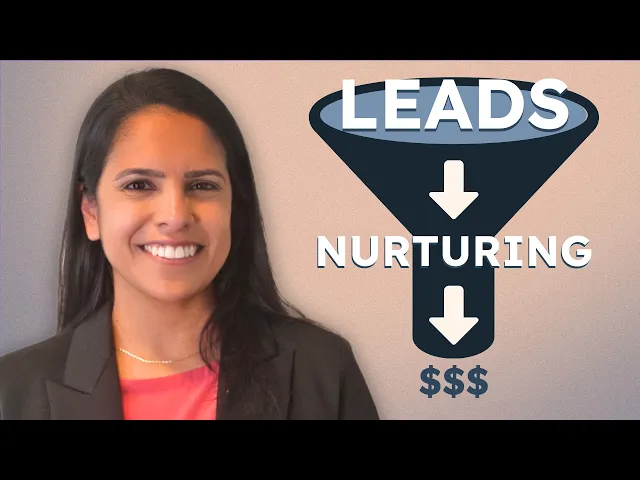
Most small businesses don't have a lead generation problem. They have a systems problem.
Leads come in from a website form, a webinar signup, a LinkedIn message, a referral, a paid campaign, maybe a spreadsheet from an event. Then everything splits. Marketing uses one tool, sales uses another, customer data lives somewhere else, and follow-up depends on who remembers to do it. The result is familiar. Good prospects sit untouched, weak leads get too much attention, and nobody can say which channel is producing revenue.
That setup doesn't scale.
A modern approach to lead generation for small business is less about chasing one magic channel and more about building one connected engine. In practice, that means blending inbound, outbound, and paid acquisition, then managing all of it in a single workflow where data, outreach, nurturing, and pipeline visibility stay connected. When that happens, lead gen stops being a series of disconnected campaigns and starts acting like a repeatable growth system.
Stop Guessing Start Defining Your Ideal Customer
The fastest way to waste budget is to call everyone a prospect.
A lot of SMBs start with loose targeting. They describe their audience with broad labels like "local businesses," "founders," or "marketing teams." That feels workable until leads start coming in and nobody agrees on what a good lead looks like. Sales says the form fills are weak. Marketing says volume is fine. The owner ends up reviewing deals by instinct.
That friction usually points to one missing asset: a real ideal customer profile, or ICP.

Build the profile from fit and behavior
A useful ICP has two parts.
The first is firmographic fit. That includes the traits that make an account commercially attractive, such as company size, industry, location, and buyer role. The second is behavioral and intent data. That covers what a lead does, such as viewing pricing, requesting a demo, engaging with content, or returning to your site multiple times.
According to monday.com's lead generation sales funnel framework, lead scoring models assign points to leads based on demographic, behavioral, and intent signals. When scores reach a set threshold, leads qualify for sales, enabling teams to prioritize follow-up. This systematic approach transforms lead qualification from a subjective assessment into an objective, measurable process, reducing wasted outreach on unqualified prospects.
That matters because most SMB teams don't have the luxury of treating every lead the same. If a founder, one SDR, or one account executive is handling follow-up, prioritization is the difference between a clean pipeline and constant busywork.
Start with your closed customers, not your assumptions
The simplest way to define your ICP is to review the customers you already like serving and can profitably retain.
Use a short audit:
Best-fit accounts are the customers that moved through sales without excessive friction, understood your value quickly, and continue buying or renewing.
Worst-fit accounts are the ones that needed heavy education, pushed pricing hard, stalled repeatedly, or created delivery strain after closing.
Buying signals are the actions that showed real interest before the sale, such as repeated visits to key pages, replies to outreach, or engagement with decision-stage content.
This isn't a branding exercise. It's an operational one.
Practical rule: If your team can't explain why one lead should get a call today and another should wait, your ICP isn't defined well enough.
Turn the ICP into a scoring model
Once you know who fits, turn that into a score.
A basic SMB scoring model can combine:
Company attributes
Give points for industry, company size, geography, and role alignment.Engagement signals
Add points when a lead opens or clicks emails, attends a webinar, downloads a buyer-oriented asset, or visits product and pricing pages.Intent actions
Weight stronger actions more heavily. A demo request should matter more than a blog visit. A reply should matter more than a passive view.Disqualifiers
Subtract points for poor fit, student inquiries, competitor domains, or contacts with no buying relevance.
The point isn't to create a perfect spreadsheet on day one. The point is to stop pretending every inquiry deserves equal urgency.
A good scoring model also creates a common language between marketing and sales. Instead of arguing over "quality," you can discuss thresholds, signals, and stage progression. That's where lead generation starts feeling measurable.
Keep the model inside one operating system
Disconnected tools usually break the process. If web forms live in one app, email engagement in another, and sales notes in a CRM no one updates, scoring becomes stale fast. Teams end up exporting CSVs and manually reconciling context.
A unified platform fixes that by keeping contact data, engagement history, and sales activity in one place. If you're tightening your broader growth foundation, this guide on how to create a go-to-market strategy is useful because it forces the same discipline across audience, messaging, and channels.
What works and what doesn't
Some patterns are consistent across SMB engagements.
What works
Narrow definitions early so your first campaigns target a specific segment instead of a vague market.
Shared scoring criteria between marketing and sales so follow-up rules aren't improvised.
Visible disqualification rules so weak leads don't clog the pipeline.
What doesn't
Persona documents with no scoring logic because they sound strategic but don't change rep behavior.
Channel-first targeting like "let's do LinkedIn" before deciding who belongs in the list.
Manual lead review for every inquiry once volume starts to build.
When owners say lead generation feels unpredictable, they're often describing a qualification problem. Fix the ICP first. Every other tactic gets easier after that.
Build Your Hybrid Lead Generation Engine
A small business can survive with one lead source for a while. It usually cannot scale that way.
I see the same pattern across SMB teams. Search traffic starts to grow, so they stop prospecting. Paid ads start producing demos, so they neglect content. A founder gets decent response from cold email, so every pipeline problem gets pushed onto outbound. The result is unstable demand. One channel slows down and the whole system stalls.
A hybrid engine fixes that. Inbound captures demand and builds trust. Outbound creates conversations with the right accounts before they raise their hand. Paid increases reach on messages and offers that already show signs of working. The key advantage comes from running those channels inside one platform so engagement data, scoring, routing, and follow-up stay connected.
According to Keap's lead gen strategies guide, the most effective lead generation strategies for small businesses blend inbound and outbound approaches. While inbound SEO leads have a high 14.6% close rate, the long timeline can be a challenge for cash-strapped SMBs. A hybrid model using AI-driven outbound tools accelerates growth and creates a more reliable pipeline.
Why one-channel strategies break under pressure
Inbound alone is slow to mature. Content needs distribution, pages need authority, and search demand is uneven across categories. If cash flow is tight, waiting six months for SEO traction is a hard bet.
Outbound alone creates a different problem. It can fill calendars fast, but response rates fall when outreach has no supporting proof, weak account context, and no feedback loop from marketing. Reps end up sending messages that sound personalized on the surface and generic underneath.
Paid alone can produce leads quickly, but it gets expensive when the clicks are not informed by what sales is hearing, what content people consume, and which segments convert after the first form fill. You keep buying attention without building much memory in the market.
The fix is coordination.
Give each channel a specific job
Hybrid lead generation works best when each motion has a clear role and each signal feeds the next action.
Channel Type | Primary Tactics | Typical Time to Results | Average Cost | Best For |
|---|---|---|---|---|
Inbound | SEO, blog content, lead magnets, webinars, referrals | Slower build, stronger compounding over time | Varies by content effort and distribution mix | Capturing demand, building trust, warming buyers |
Outbound | Cold email, calls, LinkedIn outreach, sales sequences | Faster than inbound when targeting is sharp | Varies by tooling, list quality, and labor | Creating conversations with named accounts |
Paid | Search ads, retargeting, social promotion, sponsored content | Fast launch, depends on creative and targeting quality | Channel dependent and often sensitive to waste | Amplifying proven messages and capturing high-intent traffic |
The table matters less than the handoffs between rows.
If someone attends a webinar but does not book a call, that contact should not sit in a generic newsletter list. If a target account clicks an outbound email and visits a pricing page, that person should not remain tagged as a cold prospect. If a paid campaign produces cheap leads that never progress, sales feedback should change the audience and offer before more budget goes out.
That is the operating discipline SMBs usually miss.
Use inbound to create proof
Inbound gives your market evidence. Prospects can see how you explain a problem, what use cases you understand, and whether your offer is credible before they speak with sales.
For SMBs, useful inbound assets are usually straightforward. Comparison pages. Industry-specific guides. Short webinars. Local landing pages. Email capture around one clear pain point. The point is not to publish more. The point is to create assets that help outbound reps start warmer conversations and help paid campaigns convert traffic that is already evaluating options.
Strong inbound also improves conversion quality across the rest of the system because it gives you real engagement signals. You can score leads based on topic interest, page depth, repeat visits, and asset consumption, then use those signals to change who gets routed to sales and who stays in nurture.
Use outbound to compress the sales cycle
Outbound should focus on the accounts you want, not random volume.
That starts with a tight list, a reason for outreach, and messaging tied to real fit signals such as hiring activity, service expansion, technology changes, or recent engagement with your site. AI helps here because a small team rarely has time to research every account, draft multiple message variants, update the CRM, and manage follow-up logic by hand.
If you're assessing where automation fits in that process, this guide to AI sales assistants explains where software improves speed and consistency, and where a rep still needs to make the judgment call.
One practical setup is using an AI SDR such as Zara inside a unified revenue platform to identify target accounts, draft prospect-specific outreach, and send engagement data back into the CRM. That matters because outbound quality drops fast when account research, sequencing, website activity, and pipeline notes live in separate systems.
Use paid to scale what already works
Paid should increase reach on offers and messages that have already shown traction through inbound and outbound.
That means fewer broad awareness campaigns and more targeted distribution. Retarget visitors who engaged with a high-intent page. Promote the webinar topic that sales says opens real opportunities. Put budget behind search terms that map to your best-fit use cases, not just your broad category. Support outbound with paid social so target accounts see your brand before and after the first touch.
If Facebook is part of your mix, this practical guide on how to get lead generation Facebook success with AI offers useful ideas for improving targeting and campaign execution without treating the platform like a volume-only play.
Run the engine from one platform
A hybrid model fails when each channel operates as its own reporting island.
The website knows what a lead downloaded. The ad platform knows which audience produced the click. The outbound tool knows who replied. The CRM knows whether the opportunity advanced. If those systems do not share context, your team makes bad decisions with partial information. Sales follows up too early, or too late. Paid keeps spending on segments that look cheap and close poorly. Marketing keeps producing assets that attract attention and stall in pipeline.
A unified, AI-driven platform fixes that by turning one action into the next step automatically. Content engagement can raise a score and trigger outbound. Ad clicks without conversion can place a contact into retargeting or a lighter nurture path. Sales objections can feed back into campaign messaging and audience filters. That is how SMBs build a lead engine that gets more efficient over time instead of more complicated.
Automate Engagement with Smart Nurturing Sequences
Most leads won't buy the first time they hear from you. That's normal.
What's costly is acting surprised by it.
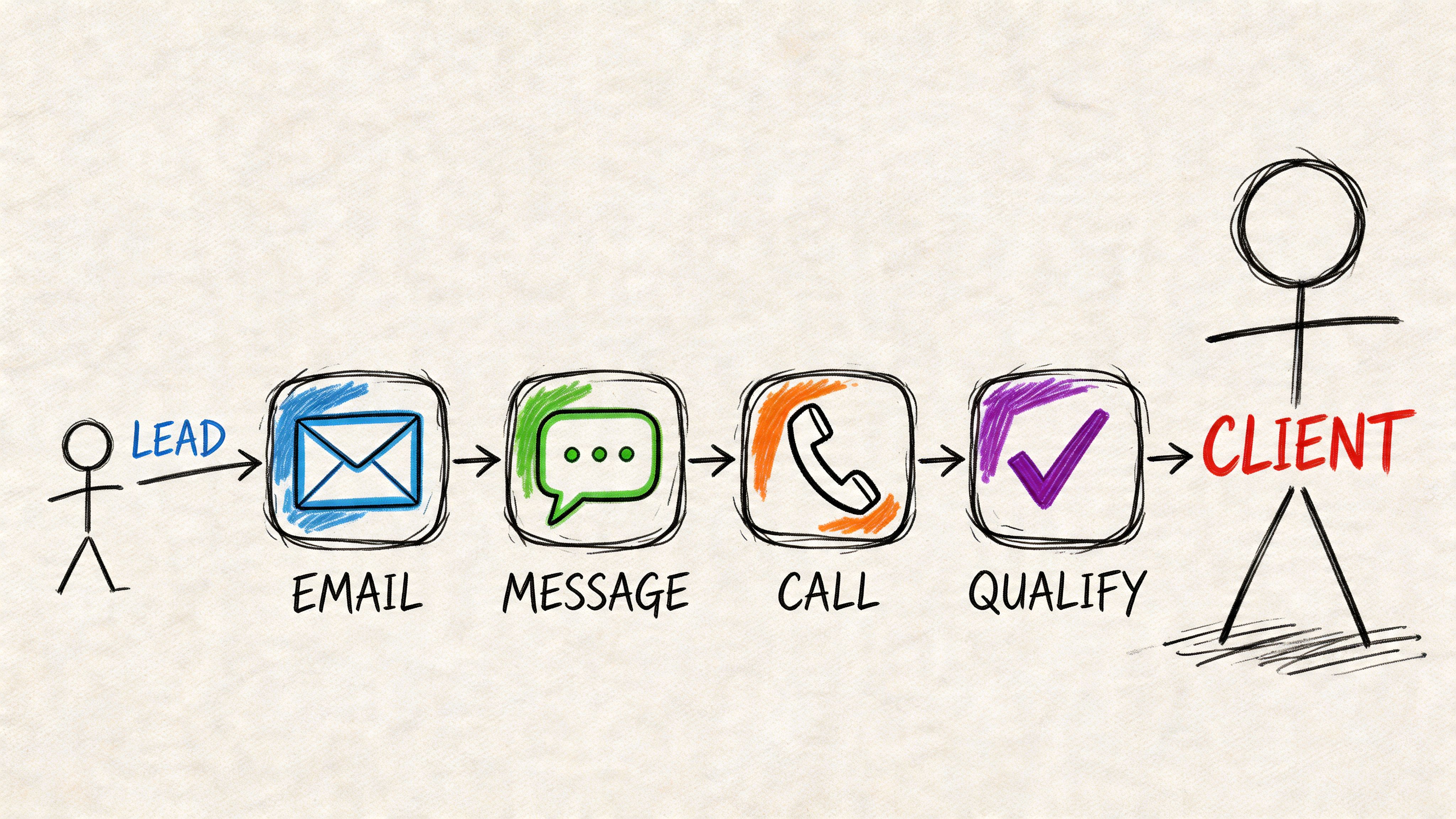
A lot of SMB teams still treat follow-up like a manual task list. Someone downloads a guide, and a rep means to follow up later. A prospect replies "circle back next month," and nobody sets a proper sequence. A lead visits pricing twice, but that behavior never reaches sales. In such instances, deals often fall through.
The data on nurturing is hard to ignore. According to Salesgenie's lead generation statistics, 79% of marketing leads never convert into sales, largely due to a lack of nurturing. Businesses that implement effective lead nurturing see a 45% higher ROI, and nurturing emails can generate up to 10 times more engagement than standard marketing broadcasts.
Why single-touch follow-up fails
Buyers don't move in straight lines. They compare vendors, bring in stakeholders, get distracted, revisit priorities, and return later.
That means lead nurturing can't just be one welcome email and a monthly newsletter. It needs to reflect intent, timing, and stage. A person who attended a product-focused webinar needs different follow-up from someone who clicked a social ad. A referral should not get the same sequence as a cold form fill.
Automation fixes consistency. Smart automation fixes relevance.
Build sequences around behavior, not calendar dates
A good nurture system doesn't ask, "What should we send this Tuesday?" It asks, "What did this lead just signal?"
Use triggers such as:
Form submissions to start a short educational sequence tied to the original offer.
Pricing page visits to create an internal task for a rep or move the lead into a higher-intent path.
Email engagement to branch into stronger calls to action when a contact is clearly interested.
No engagement to slow the cadence, change the message angle, or pause outreach before fatigue sets in.
Cross-channel logic beats simple drips. You can send an initial email, follow with a LinkedIn touch, and create a call task if the lead returns to a high-intent page. That's far more effective than blasting the same message repeatedly and hoping volume carries the result.
Field note: Nurturing should feel like a useful conversation that picks up where the buyer left off, not a countdown timer you set once and forget.
Personalization matters more than sequence length
Small businesses often obsess over how many emails belong in a sequence. That isn't the main question.
A key question is whether the sequence reflects the prospect's context. Industry, role, buying stage, prior engagement, and account fit all matter. A generic seven-step sequence can underperform a shorter one if the language feels mass-produced.
AI helps here when it's used for variation and relevance, not for flooding inboxes. Teams can generate multiple email versions, tailor intros around account context, and adjust message tone based on the segment. That reduces the manual lift that usually prevents SMBs from personalizing at scale.
If you want a practical view of sequence design, this explanation of drip campaign meaning is a solid reference because it connects timing, triggers, and message logic in a way most surface-level guides skip.
What a strong nurture flow looks like
An effective nurture flow usually includes a mix of content, proof, and human outreach.
Consider a structure like this:
Immediate response
Deliver the requested asset or confirmation fast, while intent is still fresh.Context-building follow-up
Send a message that ties the offer to a business problem the lead is likely trying to solve.Secondary touch on another channel
Add a LinkedIn interaction or a rep task when engagement suggests real interest.Decision-stage nudge
Introduce a stronger CTA once behavior indicates evaluation, not just curiosity.Longer-tail re-entry
If the lead goes quiet, move them into a lower-frequency nurture track instead of dropping them entirely.
Here’s a useful walkthrough on how multi-step engagement can be structured in practice:
What works and what usually doesn't
Some things consistently improve nurture performance.
Works well
Behavior-based branching that responds to what the lead does
Channel coordination between email, social, and sales tasks
Message variation by persona, industry, and stage
Clear ownership for when automation hands off to a human
Usually fails
One universal drip for every source and segment
Broadcast-style copy sent to leads who already showed specific intent
Manual reminders as the core follow-up system
No reactivation path for leads that pause and come back later
For lead generation for small business, nurturing is where many pipelines either mature or leak. A lot of companies are generating enough interest already. They just aren't staying in the conversation long enough, or intelligently enough, to convert it.
Measure What Matters for Sustainable Growth
A small business can generate more form fills this month and still end the quarter with a weaker pipeline.
That usually happens when inbound, outbound, and paid are measured in separate tools, with separate definitions, and reviewed by different people. The paid team reports cost per lead. Sales reports meetings. Marketing reports traffic. The owner sees activity everywhere and still cannot answer the only question that matters: which channels are producing revenue efficiently?
Measurement has to fix that fragmentation.
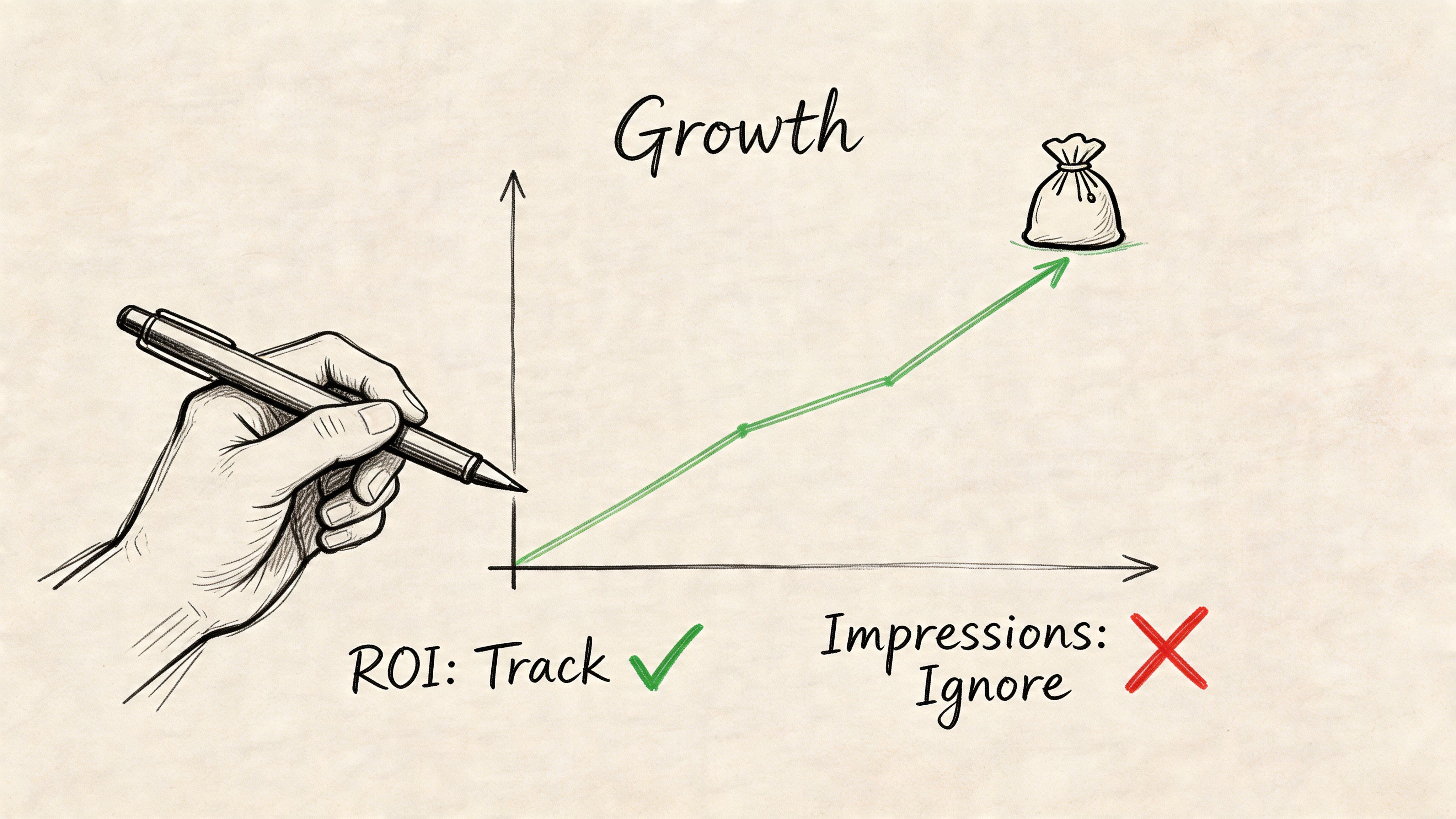
Earlier in the article, we noted that lead costs and close rates vary widely by channel. That gap is exactly why SMBs need one reporting model across the entire lead engine. If SEO, outbound, referral, and paid performance all live in the same platform, you can compare source quality, follow-up speed, stage progression, and revenue contribution without stitching together spreadsheets after the fact.
Track a small set of commercial metrics
SMBs rarely have a dashboard problem. They have a decision problem.
Use a short scorecard that ties channel activity to pipeline movement:
Cost per qualified lead by channel
Basic CPL matters, but qualified CPL is the better control metric. It shows whether a cheap source is actually producing buyers.Lead-to-opportunity rate
This separates names from real sales conversations.Opportunity-to-customer rate
A low number here can point to poor-fit leads, weak sales execution, or both.Time in stage
Long delays usually signal a handoff issue, unclear qualification rules, or weak follow-up discipline.Pipeline and revenue contribution by source
First-touch attribution alone is too shallow. Track which channels start deals, assist them, and close them.
In practice, I want every lead source feeding one system of record. That includes ad clicks, form fills, outbound replies, booked meetings, email engagement, and closed-won revenue. Once those records sit in one platform, patterns become obvious. Paid may create volume, organic may create trust, and outbound may create access to target accounts that would never convert through search alone. The value comes from seeing how those channels work together, not grading each one in isolation.
Read metrics like an operator
Context decides whether a number is healthy.
High CPL can be acceptable when the channel produces larger deals, shorter sales cycles, or a stronger close rate. Low CPL can be a drain if sales keeps chasing low-intent leads that never progress. Outbound often looks weaker at the top of the funnel than inbound, but it can still be worth funding if it consistently opens the right accounts and creates qualified pipeline your other channels miss.
Trend lines matter more than weekly noise. Review at least four things together: source, segment, sales velocity, and close outcome. That combination shows whether the issue is targeting, offer quality, timing, or execution after capture.
Use reporting to change decisions
A weekly operating review should answer three questions:
Which channels are creating qualified pipeline right now?
Where are leads slowing down, and for which segment?
What needs to change first: audience, message, offer, routing, or follow-up?
A unified platform earns its keep. Instead of arguing over whose dashboard is correct, the team can work from the same record of lead source, engagement history, owner, stage, and outcome.
For teams strengthening their inbound side, this guide to organic lead generation strategies is useful because it treats organic acquisition as part of a measurable pipeline, not a content publishing exercise.
If reporting is still reactive, learn the difference between scheduled dashboards and ad hoc reporting for faster channel diagnosis. Scheduled reports show the pattern. Fast custom analysis helps you find the cause while there is still time to fix it.
What to cut first
Underperformance usually leads SMBs to cut spend too early. Cut confusion first.
Signal | Likely Issue | Better Response |
|---|---|---|
High lead volume, weak pipeline | Poor qualification | Tighten ICP and scoring rules |
Good traffic, weak conversion | Offer or page mismatch | Rework CTA, messaging, and landing flow |
Strong engagement, low close rate | Weak handoff to sales | Review response process and follow-up quality |
Rising CPL in paid | Audience or creative fatigue | Refresh targeting and promote proven assets |
Sustainable growth comes from a closed measurement loop. Generate demand across inbound, outbound, and paid. Capture every interaction in one platform. Score lead quality consistently. Measure pipeline impact by source and by segment. If a metric does not change a decision, remove it from the dashboard.
Your First 90 Days A Scalable Action Plan
A working lead gen engine doesn't appear when you buy software. It appears when your team adopts one operating rhythm.
For most SMBs, the first ninety days should focus on clarity, launch discipline, and fast feedback. That means fewer campaigns, tighter targeting, and stronger coordination between marketing and sales. The businesses that improve fastest usually don't do more. They connect what they're already doing and review it together.
That alignment isn't optional. According to The Small Business Expo's B2B lead generation guidance, the most effective B2B strategies require tight alignment between marketing and sales, including a feedback loop where sales reports on lead quality and campaign effectiveness so both teams can optimize messaging, timing, and follow-up strategies.
Days 1 through 30
The first month is for foundation and cleanup.
Start by documenting one primary ICP and one secondary segment. Keep it grounded in actual customer patterns, not aspirational market sizing. Then map your current lead sources and identify where data is fragmented. Website forms, inboxes, ad platforms, calendars, spreadsheets, and sales notes should all be accounted for.
In the same window, set three firm requirements:
Define qualification rules so everyone knows what enters sales follow-up.
Pick one system of record for contacts, activity, and pipeline.
Create one source-tagging standard so every new lead has a visible origin.
If you skip this month and rush into campaigns, you'll get motion without learnings.
Days 31 through 60
The second month is for launching a balanced motion.
Publish one piece of inbound content aimed at a real buying question. It could be a guide, a webinar, a comparison page, or a practical checklist. Then build one outbound sequence for a tightly defined list of target accounts that match your ICP. If you're using paid, keep it narrow and support a proven offer rather than broad awareness.
At this stage, your operating rule is simple. Every campaign should feed one nurture path and one reporting view. Don't launch anything that can't be tracked through to pipeline movement.
A good month-two checklist looks like this:
One inbound asset live with a clear CTA and capture path
One outbound sequence running with personalized messaging by segment
One nurture flow active for non-ready leads
One weekly revenue review involving both marketing and sales
Days 61 through 90
The third month is where the engine starts getting smarter.
Review lead quality by source. Look at which messages are creating replies, which content is producing engaged leads, and where opportunities are stalling. Use sales feedback aggressively here. If reps say a segment is responding but not converting, refine the offer. If marketing sees strong engagement from a vertical sales hadn't prioritized, expand the test.
This month isn't about adding channels randomly. It's about promoting winners and removing friction.
Sales should tell marketing which leads are worth more time. Marketing should tell sales which behaviors suggest rising intent. When that loop is active, execution gets sharper every week.
The principle that makes the plan work
The hidden goal of the first ninety days is integration.
You're not just trying to generate more leads. You're building a model where inbound creates trust, outbound creates momentum, paid creates an advantage, nurturing maintains continuity, and reporting keeps the team honest. Once those pieces run in one connected system, lead generation for small business becomes much easier to scale because each activity improves the next one.
If you're trying to replace scattered tools with one connected workflow, Stamina is built for that operating model. It unifies marketing, sales, and CRM in a single platform, and includes Zara, an AI SDR that helps teams identify prospects, personalize outreach, automate nurturing, and keep pipeline activity tied to one source of truth.

