
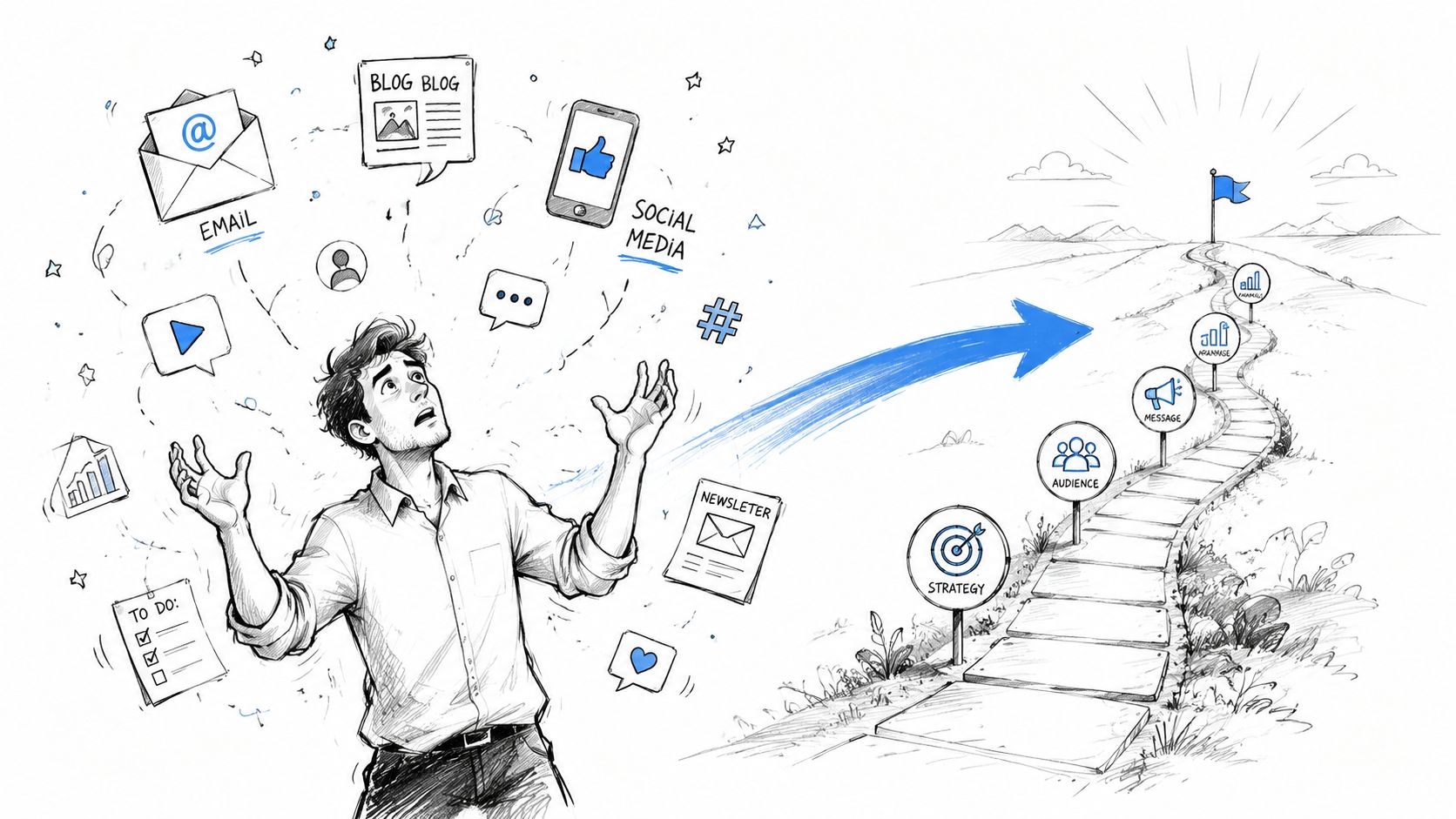
If your lead generation process feels like a pile of disconnected tasks, that's usually not a marketing problem. It's an operating model problem.
Most growing SMBs start the same way. Someone writes a few blog posts. Sales sends cold emails when pipeline looks thin. A founder posts on LinkedIn. A webinar goes out. A landing page gets built in a rush. Then everyone asks the same question: why aren't we getting consistent, qualified opportunities?
The answer is usually simple. You don't have a system yet. You have activity.
A real lead generation process connects audience targeting, capture points, qualification rules, follow-up, sales handoff, and reporting. When those pieces live in separate tools and separate teams, leads slip, context disappears, and sales spends time on the wrong people. When those pieces are connected, pipeline stops feeling random.
Moving Beyond Random Acts of Lead Generation
Random acts of marketing are easy to spot. You launch campaigns without a shared target account list. Website forms dump contacts into a spreadsheet. Sales follows up when they remember. Nobody agrees on which leads are worth calling. Every month starts from zero.
That setup can survive for a while. It can't scale.
Lead generation is no longer a side activity for whoever has spare time. One 2026 industry estimate values the global lead generation market at USD 6.38 billion in 2025, with projected growth of 8.3% per year according to this lead generation market estimate. That matters because it shows how structured and operationalized lead acquisition has become.
What the process actually looks like
The cleanest way to run lead generation is as a connected workflow:
Stage | What happens | Common failure |
|---|---|---|
Attract | You earn attention from the right audience | Traffic comes from the wrong people |
Capture | You turn interest into a known lead | Forms and offers don't match buyer intent |
Qualify | You decide who deserves sales time | Sales gets volume instead of fit |
Nurture | You stay relevant until timing improves | Leads go cold after first touch |
Convert | Sales moves qualified interest into pipeline | Handoffs lose context |
Measure | You see where the system breaks | Teams optimize vanity metrics |
This is the difference between a campaign and a machine. Campaigns create bursts. Systems create repeatability.
Why SMBs need the system early
A lot of SMBs think process comes later, after they have more people or more budget. In practice, it's the opposite. Smaller teams need structure sooner because they have less room for waste.
Practical rule: If marketing, sales, and CRM data don't connect from day one, your lead generation process will produce work before it produces predictability.
You don't need a giant RevOps team to fix this. You need one shared flow, one definition of a qualified lead, and one place where activity becomes pipeline. If you're already trying to create repeatable growth, this is also where broader thinking around growth hacking for small business becomes more useful when it's tied to an actual operating system instead of isolated experiments.
The Foundation Attracting and Capturing Your Ideal Customer
The top of the funnel gets oversimplified. Teams talk about "getting traffic" as if all traffic has equal value. It doesn't. The wrong audience creates busy dashboards and weak pipeline.
Attracting and capturing leads starts with fit. Before you publish a post, launch ads, or send outreach, you need a clear idea of who should enter the system in the first place. If that work is fuzzy, the rest of the lead generation process gets expensive fast.

Pick channels based on intent, not habit
A 2025 survey found that 88% of businesses use email for lead generation, 78% use social media, content marketing accounts for over half of lead acquisition methods, and SEO is seen as the most valuable lead source by 35% of respondents in this 2025 B2B lead generation benchmark. That mix tells you something important. Teams aren't winning with one channel. They're building coordinated paths where channels support each other.
For SMBs, that usually means splitting effort across three buckets:
Owned intent capture: SEO pages, solution pages, comparison pages, and educational content that answer active buyer questions.
Relationship channels: Email and social, where prospects can see repeated proof that you understand their problem.
Targeted outbound: Direct outreach to accounts that fit your ICP, especially when you need faster pipeline creation.
A useful starting point is to define your ICP before choosing channels. This guide to ideal customer profiles is a practical reference because it pushes the conversation away from generic personas and toward account fit.
What works in attraction
Good attraction creates relevance before it creates conversion. That means your content and outreach should be tied to a buying problem, not just a keyword or a posting calendar.
Here are the assets I see work most often for SMBs:
Problem-specific pages: Pages built for one pain point, one audience, and one use case.
Comparison content: Buyers close to a decision often look for alternatives, integrations, or implementation differences.
Short educational assets: Checklists, templates, and teardown-style guides tend to fit SMB attention spans better than long gated reports.
Founder or operator-led social posts: These work when they show how decisions are made, not when they recycle slogans.
Buyers don't convert because you published content. They convert because the content reduced uncertainty.
Social can also be more useful when it's tied to prospecting workflows, not treated as a brand-only channel. If you're evaluating ways to turn platform activity into outreach inputs, this roundup of social media prospecting tools is worth reviewing.
Capture interest before it disappears
Attraction without capture is wasted spend. Once someone lands on your site or engages with a post, you need a clean next step.
The strongest capture points are usually simple:
A landing page built around one offer.
A form that asks only for information you will use.
A call to action that matches the visitor's stage of intent.
A follow-up path already mapped before the campaign goes live.
Industry guidance describes a five-stage workflow of Attract → Capture → Qualify → Nurture → Convert, and notes that gated assets often convert at 20–30%, while dedicated landing pages average about 23% in this lead generation guide. Those benchmarks are useful as directional checks, but the core operational question is simpler: did the page attract the right person, and did your team know what to do once they converted?
Common capture mistakes
Mistake | What it causes |
|---|---|
Too many form fields | High-intent visitors drop before submitting |
Weak offer | Visitors browse but don't trade contact details |
Generic CTA | You can't tell what the lead actually wants |
No routing logic | Sales gets notified without context |
No non-form capture | Anonymous interest disappears |
Website visitor identification, chat, and behavioral tracking can help recover intent from people who don't fill out a form. But those tools only help when they feed a system that can score, route, and follow up. Otherwise, you just create another inbox nobody owns.
The Great Filter Qualifying and Scoring Leads Effectively
A lot of teams think the hard part is getting more leads. Usually it isn't. The hard part is protecting sales time.
When qualification is weak, marketing celebrates volume while sales complains about quality. Both teams are partly right, and the process is broken. Leads entered the funnel, but nobody built a reliable filter between interest and sales attention.
Where the process usually breaks
Independent B2B guidance points to a recurring issue: many businesses struggle with the gap between Marketing Qualified Leads and Sales Qualified Leads because sales and marketing don't align on what "sales-ready" means, and they fail to score leads by firmographics, engagement, and intent, as noted in Adobe's overview of lead generation steps.
That shows up in familiar ways:
Marketing sends names. Sales wanted buying signals.
Sales asks for better leads. Marketing asks for faster follow-up.
CRM stages look clean. Actual qualification logic lives in people's heads.
Everyone debates edge cases. Nobody owns the rules.
Build a scoring model people can use
A scoring system doesn't need to be fancy. It needs to be shared, visible, and tied to conversion outcomes.
Start with three categories:
Signal type | What to score | Why it matters |
|---|---|---|
Firmographics | Industry, company size, role, geography | Tells you if the account fits your market |
Engagement | Page visits, email replies, webinar attendance, repeat visits | Shows active interest |
Intent | Demo requests, pricing page behavior, product-specific questions | Suggests near-term buying motion |
Automation is particularly helpful. Teams can assign points manually in a spreadsheet for a while, but that breaks once volume rises. If you're building a more durable process, lead scoring automation is the layer that keeps the rules consistent.
Your sales team doesn't need more leads. They need fewer wrong leads.
Define SQLs in operational terms
Avoid vague definitions like "engaged lead" or "warm prospect." Those phrases create argument, not action.
A useful SQL definition answers four questions:
Does the account fit?
Has the buyer shown real engagement?
Is there a timely problem to solve?
What should sales do next, specifically?
If a lead can't trigger a clear next action, it probably isn't sales-ready yet. It belongs in nurture, not in a rep's queue.
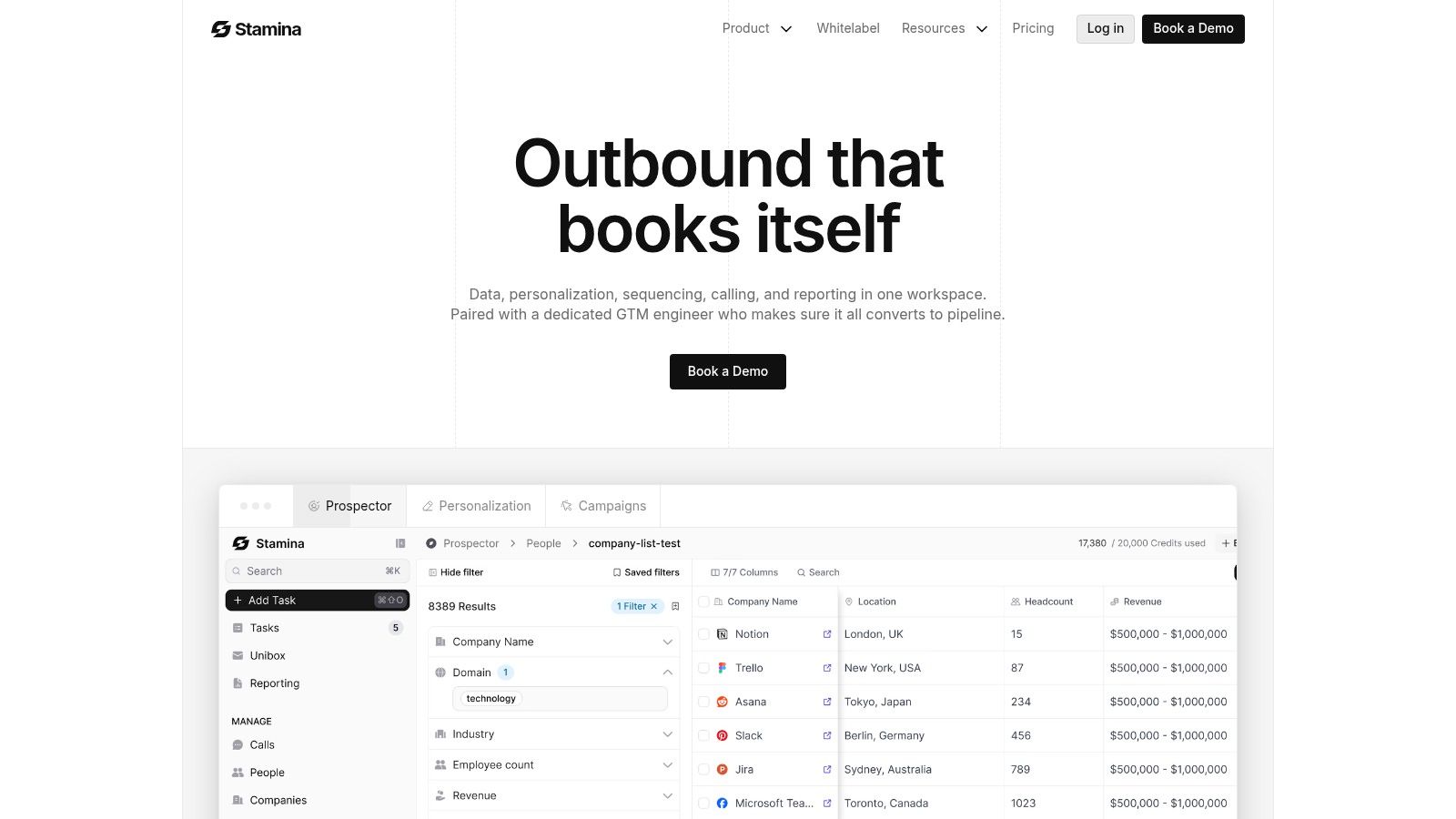
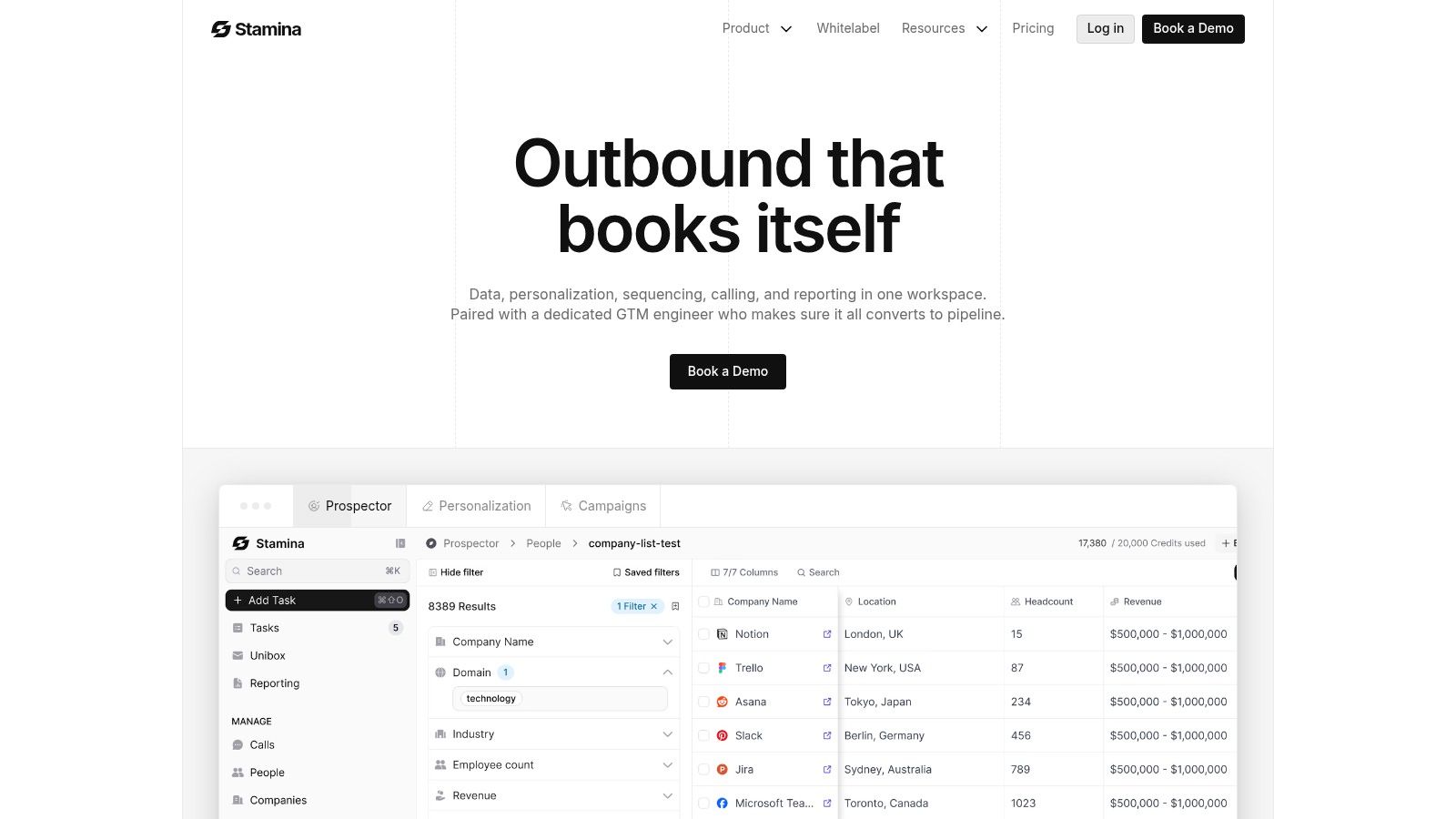
This is also where AI assistants can help, if they're grounded in your actual scoring logic. Stamina, for example, combines marketing, sales, and CRM data in one platform and includes Zara, an AI SDR that can identify prospects, support outreach, and route activity into a shared system. That's useful because it reduces the handoff gap that usually appears when prospecting, qualification, and CRM history live in separate tools.
Building Momentum Nurturing Leads with Automated Workflows
Most leads don't need a pitch. They need context, timing, and a reason to come back.
That changes how you build nurture. The job isn't to send a generic drip sequence and hope something lands. The job is to keep momentum alive without forcing a conversation too early.
Two leads, two different workflows
Take a demo request lead. This person has raised a hand. They shouldn't get the same sequence as someone who attended a webinar and downloaded a checklist.
A workable demo request workflow looks like this:
Immediate confirmation: Send a short reply that confirms receipt and sets expectation for next contact.
Sales task creation: Assign follow-up to the right rep with source, company details, and page history attached.
Reminder content: If the meeting isn't booked yet, send material that helps the buyer evaluate fit, such as implementation notes, use-case pages, or common objections.
Behavior-based branching: If the lead re-visits pricing or product pages, escalate follow-up priority.
Now compare that with a webinar attendee who asked no direct buying questions. That lead may need education first.
A nurture path for that person often works better when it sequences by topic:
First message: recap the webinar and link to the recording.
Second touch: send a related guide or checklist.
Third touch: share a role-specific use case.
Fourth touch: invite a lower-friction action such as a workshop, office hours, or reply-based conversation.
Good nurture feels coordinated
A common mistake is treating nurture as "marketing emails after the form fill." Strong workflows are broader than that. They combine email, CRM tasks, audience updates, and sales alerts so one person's behavior changes what happens next.
That kind of orchestration matters because buyers don't move in a straight line. They open one email, ignore two, visit the site directly, talk to a colleague, then return through a branded search. If your systems don't talk to each other, your team reacts late or with the wrong message.
For a deeper tactical look at how those sequences are built, this article on lead nurturing and marketing automation is a useful companion.
A nurture workflow should answer one question at every step: what does this lead need to believe before a sales conversation makes sense?
What to automate and what to keep human
Automation should handle timing, routing, and relevance. Humans should handle judgment, especially when signals are mixed.
Use automation for:
Triggering follow-up: Form fills, repeat visits, content engagement, and meeting no-shows.
Segmenting by behavior: Route leads into tracks based on topic, product line, or intent.
Creating internal tasks: Tell sales when a lead crosses a threshold worth acting on.
Suppressing bad timing: Pause outreach when a lead is already in active conversation.
Keep people involved when:
A prospect replies with nuance: That's not the moment for another automated touch.
The account is strategically important: Hand-crafted follow-up usually beats generic scale.
Signals conflict: Strong fit with low engagement, or high engagement from a poor-fit account, needs interpretation.
Later in the workflow, richer media can help re-engage attention when text alone starts to fade. This walkthrough gives a visual sense of how automated handoffs and multi-step plays can be managed inside a unified workflow.
Closing the Loop Converting Leads and Measuring Success
Conversion is where weak systems expose themselves. Leads have been attracted, captured, scored, and nurtured. Then someone drops the baton.
The handoff from marketing to sales isn't an administrative step. It's a revenue event. If the rep doesn't know what the lead engaged with, what problem they care about, and why they were routed now, the conversation resets. That reset costs trust.
Make the handoff concrete
A good handoff includes context, not just contact data. Sales should see the offer that started the relationship, the messages already sent, the pages viewed, and the score drivers that made the lead worth action.
The easiest way to tighten this stage is to remove ambiguity from ownership:
Trigger | Owner | Required action |
|---|---|---|
Demo request | Sales | Contact fast with page and source context |
High-score content lead | Sales or SDR | Review fit, then personalized outreach |
Mid-score lead | Marketing automation | Continue nurture until threshold changes |
Disqualified lead | Marketing | Suppress sales outreach, recycle only if intent changes |
This isn't glamorous work. It's where consistency comes from.
Measure the funnel like an operator
High-performing teams use automated lead scoring and track conversion rate, cost per lead, lead quality, and ROI, then recalibrate scoring rules based on actual sales conversion data, according to this guide on lead generation methodology. That's the right mindset. Don't just ask whether leads came in. Ask whether your scoring model correctly predicted which leads would become revenue.
The most useful dashboard for an SMB is usually small and blunt. Include:
Conversion rate by stage: To find where the funnel slows or leaks.
Cost per lead: To compare acquisition efficiency across channels.
Lead quality: Measured by downstream sales acceptance and opportunity creation, not form fills.
ROI: To tie spend back to revenue outcomes.
If your dashboard makes low-quality lead volume look like success, your process will keep funding the wrong behavior.
Use testing to improve the whole system
A/B testing matters, but not only on subject lines. Teams should test the assumptions underneath the funnel:
Offer-to-audience fit: Does this asset attract the right accounts?
Landing page clarity: Does the CTA match the visitor's intent?
Scoring thresholds: Are you sending leads to sales too early or too late?
Follow-up paths: Which sequence creates replies, meetings, or meaningful engagement?
If your team needs a practical framework for improving the pages and paths where leads convert, this comprehensive guide to CRO is a strong reference.
The key is to test with downstream outcomes in mind. A change that increases form fills but lowers sales acceptance isn't an improvement. It's a reporting trick.
From Process to Predictable Revenue
A strong lead generation process doesn't feel exciting day to day. It feels clear.
The right people arrive through the right channels. Offers match intent. qualification happens with shared rules. nurture keeps momentum alive. Sales gets context instead of cold records. Reporting shows where to adjust before pipeline slips.
That's what growing SMBs need. Not more disconnected tactics. Not another point tool. Not a bigger pile of contacts.
They need an operating system for revenue.
When marketing, sales, and CRM work as one flow, the lead generation process becomes more than demand creation. It becomes a predictable way to turn market attention into qualified pipeline and qualified pipeline into customers. That's the real shift. You stop hoping activity will become revenue, and you start designing for it.
If you're ready to build that system in one place, Stamina gives growing SMBs a connected way to run marketing, sales engagement, AI-assisted prospecting, nurturing, and CRM workflows without stitching together a fragmented stack.

