You open your inbox and see a familiar thread. Someone you know just connected you with someone you don't. It could be a prospect, a partner, a candidate, an investor, or a colleague from another team.
Many individuals overthink that first reply. They write too much, ask for too much, or wait too long.
A good reply to an introduction email does one job. It keeps momentum alive and makes the next step easy. If you get that right, you don't need clever wording. You need clarity, speed, and enough relevance to earn the next response.
Why Your Reply to an Introduction Email Matters
An introduction email creates borrowed trust. The sender is putting their name behind the connection. Your reply tells both people whether that trust was well placed.

The first rule is simple. Reply fast. Guidance on responding to introduction emails consistently recommends replying within 24 hours, because delays let the opportunity cool off, especially in crowded inboxes where a thread can disappear quickly. That matters even more because Microsoft researchers found that 52.99% of enterprise emails are sent to more than one recipient besides the sender, which makes it easier for intro threads to get overlooked in busy inboxes, as summarized in this guide on why timing matters in introduction replies.
Speed signals seriousness
If you wait too long, people make assumptions. They assume low interest, poor organization, or weak follow-through.
That's true in sales, but it's just as true in hiring and partnerships. Fast replies show respect for the introducer and reduce the chance that everyone moves on before the conversation starts.
Practical rule: If you can't write a thoughtful reply right away, send a short acknowledgment and promise a fuller note later that day.
Your reply sets the tone
A strong reply does three things immediately:
It thanks the introducer: That closes the social loop and shows professionalism.
It gives the new contact context: They should know why talking to you is worth their time.
It moves the thread forward: Not with a giant ask, just with a simple next step.
Weak replies usually fail for obvious reasons.
What works | What stalls the thread |
|---|---|
Short acknowledgment | Long autobiography |
Clear relevance | Generic “happy to connect” |
Easy next step | Premature meeting request |
Prompt response | Waiting several days |
People don't need your life story in the first reply. They need a reason to answer.
The Anatomy of a Perfect Introduction Reply
Most effective replies look simple because they're built on the same structure. You don't need to reinvent this each time. You need a repeatable pattern.
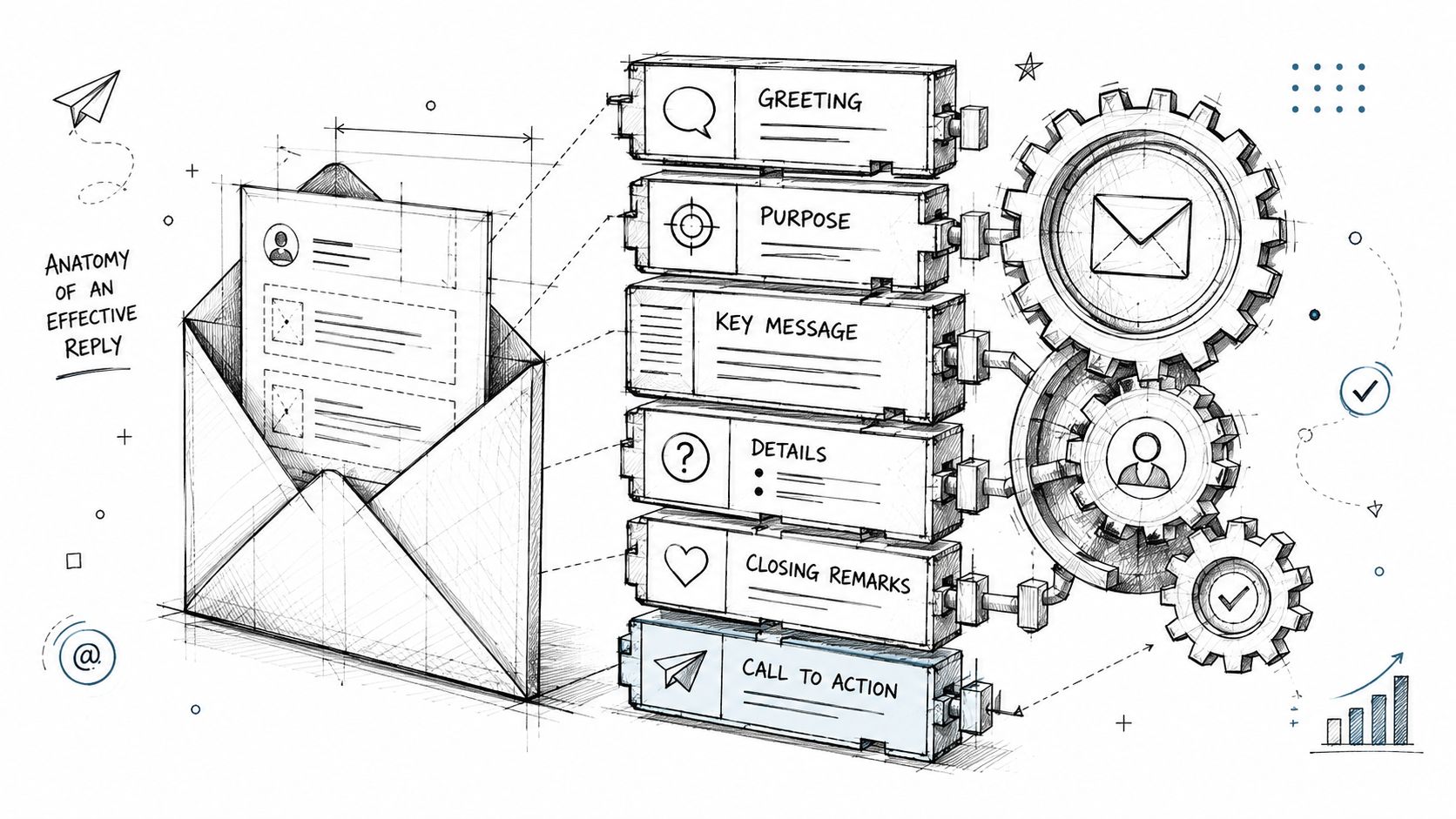
Sales guidance is pretty consistent here. Concise emails under 200 words and 6 to 8 sentences tend to perform better, and the strongest replies use a short acknowledgment, one specific value signal, and a frictionless next step, according to Gong's breakdown of effective email reply patterns.
The four parts that matter
Here's the structure I use.
Thank the introducer
Start by acknowledging the person who made the connection. They created the opportunity. Give them credit.
Acknowledge the new contact personally
Use their name. Refer to the exact context of the intro. Keep it human, not robotic.
State one clear relevance point
Most replies go wrong here. Don't list your whole company, background, and offer. Give one reason this conversation makes sense.
Offer an easy next step
The best next step is usually light. A yes or no question works well. A heavy ask too early often kills response.
A practical blueprint
Use this as your default:
Line 1: Thank you, [Introducer]
Line 2: Hi [Name], great to meet you
Line 3: Short context on who you are
Line 4: One specific reason the intro is relevant
Line 5: Small next step
Example:
Thanks, Priya, for the intro.
Hi Marcus, great to meet you. I lead outbound for a SaaS team working with agencies that need cleaner lead handoff between marketing and sales. Priya mentioned your team is revisiting that process this quarter. If helpful, I can send over a short breakdown of what we've seen work well for similar teams. Would that be useful?
That's enough. No deck. No calendar link. No essay.
Respect the thread
Once both sides have acknowledged the introduction, it often makes sense to move the introducer off the active thread. That keeps their inbox cleaner and avoids dragging them through scheduling details. Teams already working on improving team productivity with async usually handle this well because they treat email as coordination, not conversation theater.
When your team writes these replies often, it helps to standardize a few patterns and word choices. A practical way to sharpen that skill is studying examples of email copywriting patterns that reduce friction.
A quick walkthrough helps if you want to train a team on this structure:
Templates for Warm Introductions from Mutual Contacts
Warm intros are different from cold outreach because trust already exists. Your job isn't to manufacture credibility from scratch. It's to handle that trust carefully and make replying feel easy.
One data point is worth remembering here. Advanced personalization can lift reply rates to 17%, compared with 7% for emails with little or no personalization, and the biggest gain comes from relevance paired with a low-friction ask, based on Mixmax's summary of reply-rate tactics.
Template for a potential client intro
You were introduced by a mutual contact to someone who might buy from you. Don't turn that into a pitch on reply one.
Template
Subject: Re: Intro
Hi [Name],
Thanks, [Introducer], for connecting us.
Great to meet you, [Name]. [Introducer] mentioned your team is working on [specific initiative or challenge]. I work with companies dealing with [closely related problem], and I thought the overlap made sense.
If useful, I'm happy to send a short note with a few ideas relevant to your situation. Would that be helpful?
Best,
[Your Name]
Why it works:
It respects the warm context.
It names a relevant issue.
It asks for permission before pushing further.
Template for a networking intro
This one is common. A peer says, “You two should know each other.” Don't over-formalize it.
Template
Hi [Name],
Thanks, [Introducer]. Appreciate the connection.
Nice to meet you. I've heard good things about your work in [area]. I'm focused on [your area], and it sounds like we have some overlap around [shared topic].
No pressure on a call right away, but I'd be glad to compare notes by email or set up a short chat if that's useful on your side. Open to that?
Best,
[Your Name]
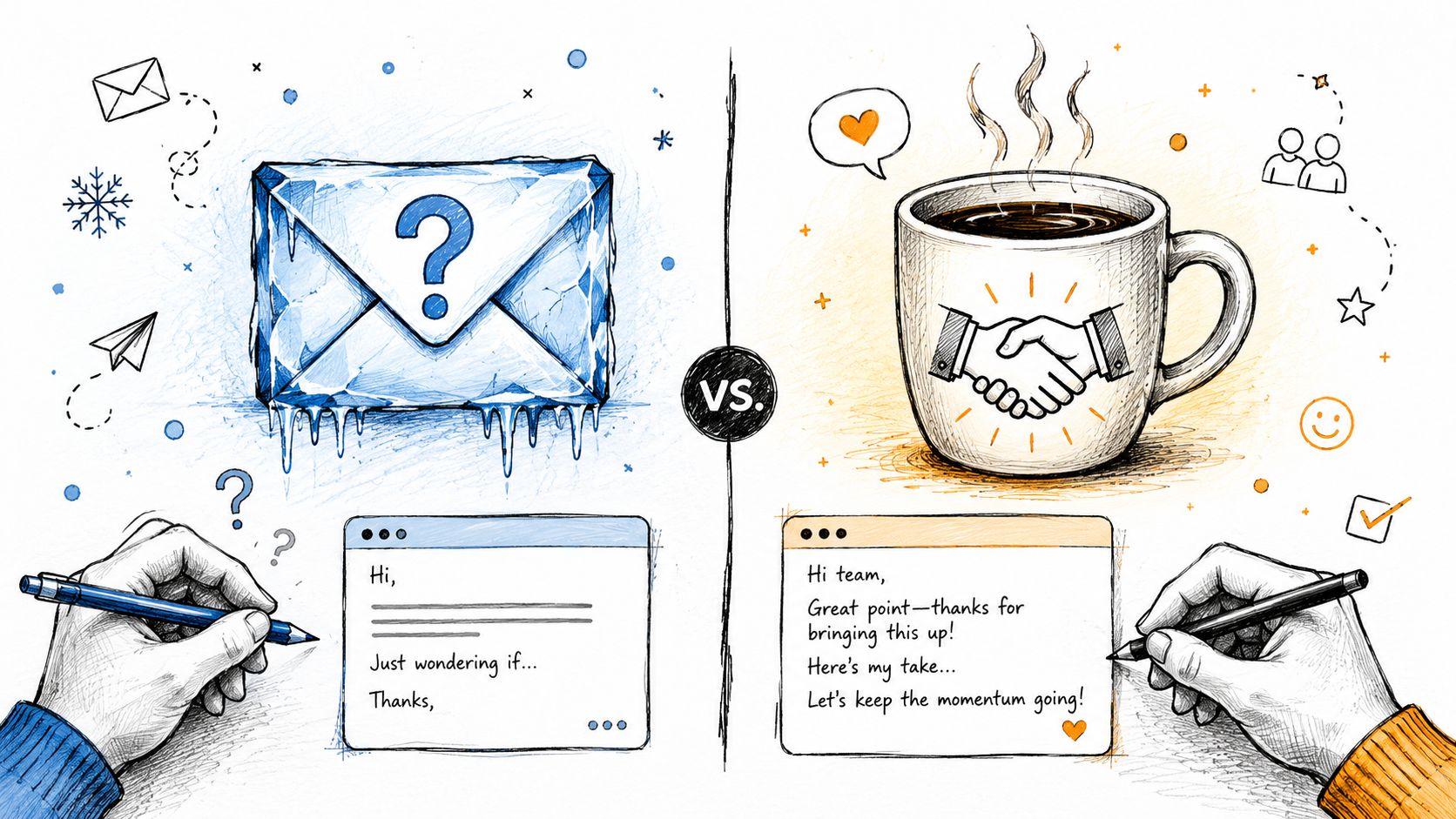
Good warm-intro replies sound like a competent person, not a campaign sequence.
Template for a strategic partner intro
Partnership intros fail when both sides stay vague. Be specific about the overlap without trying to close the whole deal in one email.
Template
Hi [Name],
Thanks, [Introducer], for making this connection.
Great to meet you. I lead [function] at [company], and [Introducer] thought there might be a fit between your work in [their area] and ours in [your area]. From a quick look, it seems like we may serve similar customers from different angles.
Would it make sense to compare where there's real overlap and where there isn't?
Best,
[Your Name]
Personalize without making it weird
Good personalization is not “I saw you went to Michigan too.” It's context that proves the email is for them.
That's where tools can help. If your team is researching contacts before replying, platforms like Stamina can pull CRM and outreach context into one place, and Zara can help generate personalized drafts based on company and contact details. For more examples you can adapt across scenarios, Stamina's sales email templates are useful to compare against your current approach. If you want extra language options for tone and formatting, VoiceType's professional email templates are a solid reference too.
Handling Cold Sales and Internal Company Introductions
These two scenarios look similar in your inbox. They are not the same job.
A cold sales introduction usually requires filtering. An internal introduction requires coordination. If you use the same tone for both, you'll either sound too guarded internally or too inviting externally.
Microsoft's research on enterprise email found that 52.99% of messages go to more than one person besides the sender, which helps explain why short, direct replies matter so much in both external and internal threads. In multi-recipient email, your reply is competing for attention and easy to miss if it's vague or bloated, as shown in Microsoft's enterprise email research paper.
Cold sales intro versus internal intro
Scenario | Your goal | Right tone | Best next step |
|---|---|---|---|
Cold sales introduction | Qualify or close the loop | Polite but firm | Clear yes, no, or redirect |
Internal company introduction | Build alignment | Cooperative and efficient | Clarify ownership and action |
When a sales rep gets introduced to you
Maybe a mutual contact forwarded a vendor your way. Maybe a founder looped in their sales lead. Either way, don't leave it open-ended unless you want follow-ups forever.
If you're interested
Hi [Name],
Thanks for the introduction, [Introducer].
Nice to meet you, [Name]. I understand you help with [specific area]. That's relevant on our side, though timing depends on current priorities. Send me a short summary of where you think you can help, and I'll take a look.
Best,
[Your Name]
If you want to stop it cleanly
Hi [Name],
Thanks, [Introducer], for connecting us.
Nice to meet you. I appreciate the outreach, but this isn't something we're evaluating right now, so I don't want to waste your time by dragging out the thread. Wishing you the best.
Best,
[Your Name]
That last line matters. It closes the loop without inviting a nurture cadence.
If your team also uses LinkedIn alongside email, channel choice becomes important. For some contacts, maximizing B2B outreach with Inmails can be more appropriate than forcing every conversation through email.
When a coworker introduces you internally
Internal intros deserve a different response because the goal is shared progress, not qualification.
Template
Hi [Name],
Thanks, [Introducer], for making the connection.
Great to meet you. I'm leading [project or function] on the [team] side, and it sounds like we overlap on [issue]. I'd like to understand your priorities and where our work touches yours.
Would a short email exchange be easiest, or do you want to grab time sometime this week?
Best,
[Your Name]
Internal introductions work best when someone leaves the thread knowing who owns the next action.
For teams that handle lots of shared threads, it helps to be deliberate about recipient hygiene. This guide to sending emails to multiple people without creating confusion is a useful operational reference.
How to Gracefully Decline an Unwanted Introduction
A lot of advice on how to reply to an introduction email assumes you want the conversation. Real life is messier. Plenty of intros are off-target, badly timed, or not worth pursuing.
That's why silence is usually the worst option. It leaves the introducer hanging, makes the new contact guess, and damages your reputation for follow-through. There's a real gap in most guidance here. One of the more useful observations on the topic is that knowing how to decline gracefully without damaging trust is an underserved but critical business skill, especially when teams have to filter inbound introductions regularly, as noted in Shortwave's discussion of introduction email replies.
A good decline does three things
It responds promptly: Don't let a weak-fit intro sit for days.
It protects the relationship: Thank the sender even if the fit is poor.
It closes the loop clearly: Avoid “maybe later” unless you mean it.
Template for a polite decline
Hi [Name],
Thanks, [Introducer], for connecting us.
Nice to meet you, [Name]. I appreciate the introduction, but this doesn't look like the right fit for me right now, so I'll step back rather than waste your time with a slow thread. Thanks again for reaching out, and I appreciate the connection.
Best,
[Your Name]
Template for a redirect
Hi [Name],
Thanks, [Introducer], for making the intro.
Nice to meet you. I'm not the best person for this on my side, but [Colleague Name] is much closer to this area. If helpful, I can pass this along and let them decide whether it makes sense to continue the conversation.
Best,
[Your Name]
Template for a bad-timing decline
Hi [Name],
Appreciate the introduction, [Introducer].
Nice to meet you. The topic is relevant, but the timing isn't good on my side, so I don't want to suggest interest I can't act on right now. Best to close the thread for now, and if that changes later, I can reach back out.
Best,
[Your Name]
The key is honesty without extra detail. You don't owe a long explanation. You owe a clear answer.
Frequently Asked Questions about Introduction Replies
When should you move the introducer to BCC
Do it after the initial connection has been acknowledged by both sides, or as soon as the thread turns into scheduling and detail work. Leaving the introducer on every back-and-forth clutters their inbox and makes them an accidental participant in logistics.
Should you reply all or reply only to the new contact
Start with reply all unless the introducer explicitly stepped out. That public acknowledgment matters. After that, you can trim the thread.
What if you reply and get no response
Give it a little room, then send one short follow-up that adds clarity or value. Don't resend the same note with “just bumping this.” If you need a framework, this guide on how to follow up when there's no response is a practical reference.
How formal should your tone be
Match the thread. If the introducer wrote a casual note, don't answer like a legal department. If the intro is executive-level or sensitive, keep it polished and direct. The safest tone is professional, warm, and brief.
Should you ask for a meeting in the first reply
Usually no. Start with an easier ask unless the introduction already sets up a call. The less work your reply creates, the better your chances of getting an answer.
If your team handles a steady flow of intros, outbound replies, and follow-ups, Stamina can help centralize that work across CRM, outreach, and automated sequences so replies don't get lost between people, tools, and threads.

